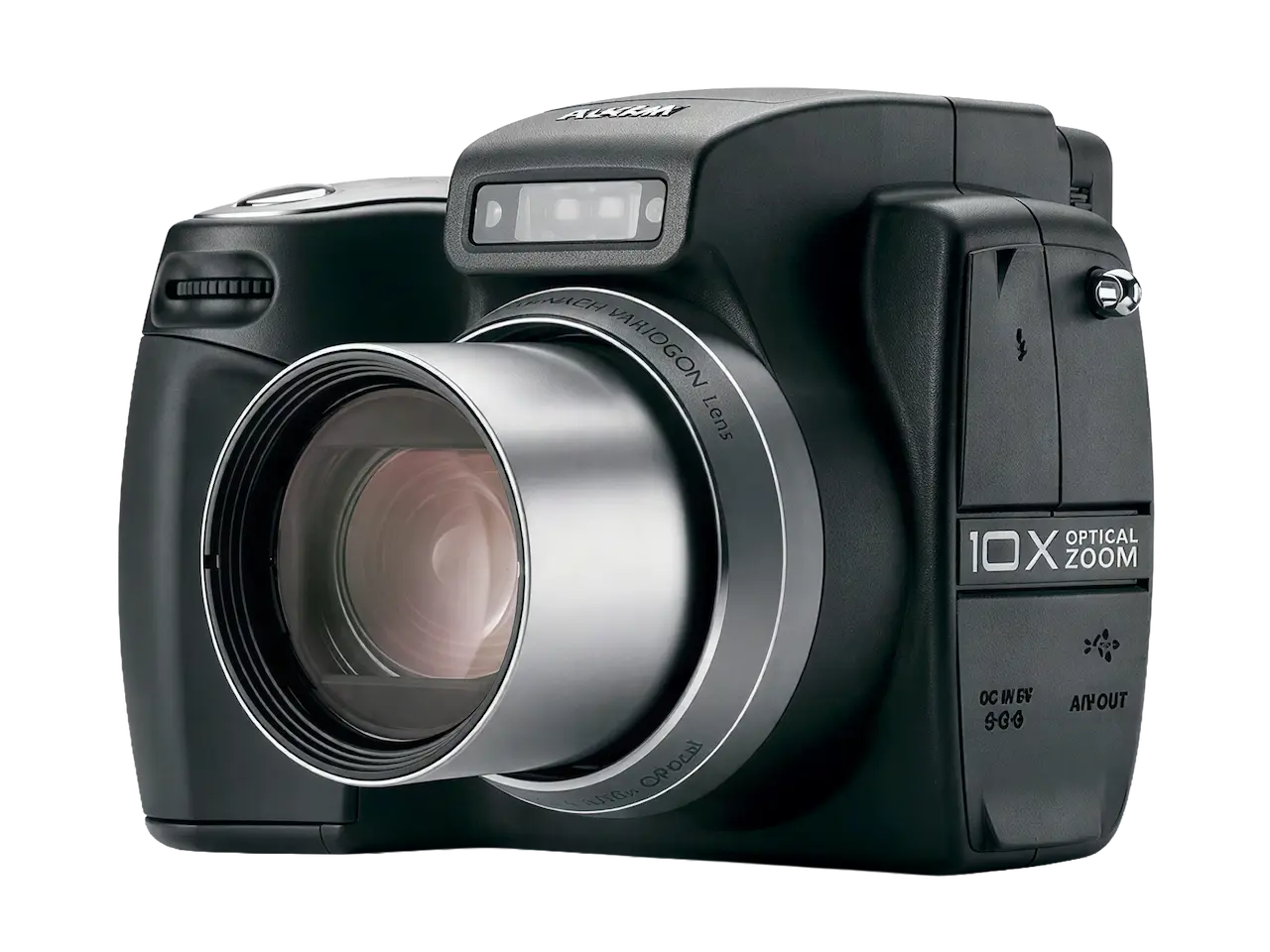
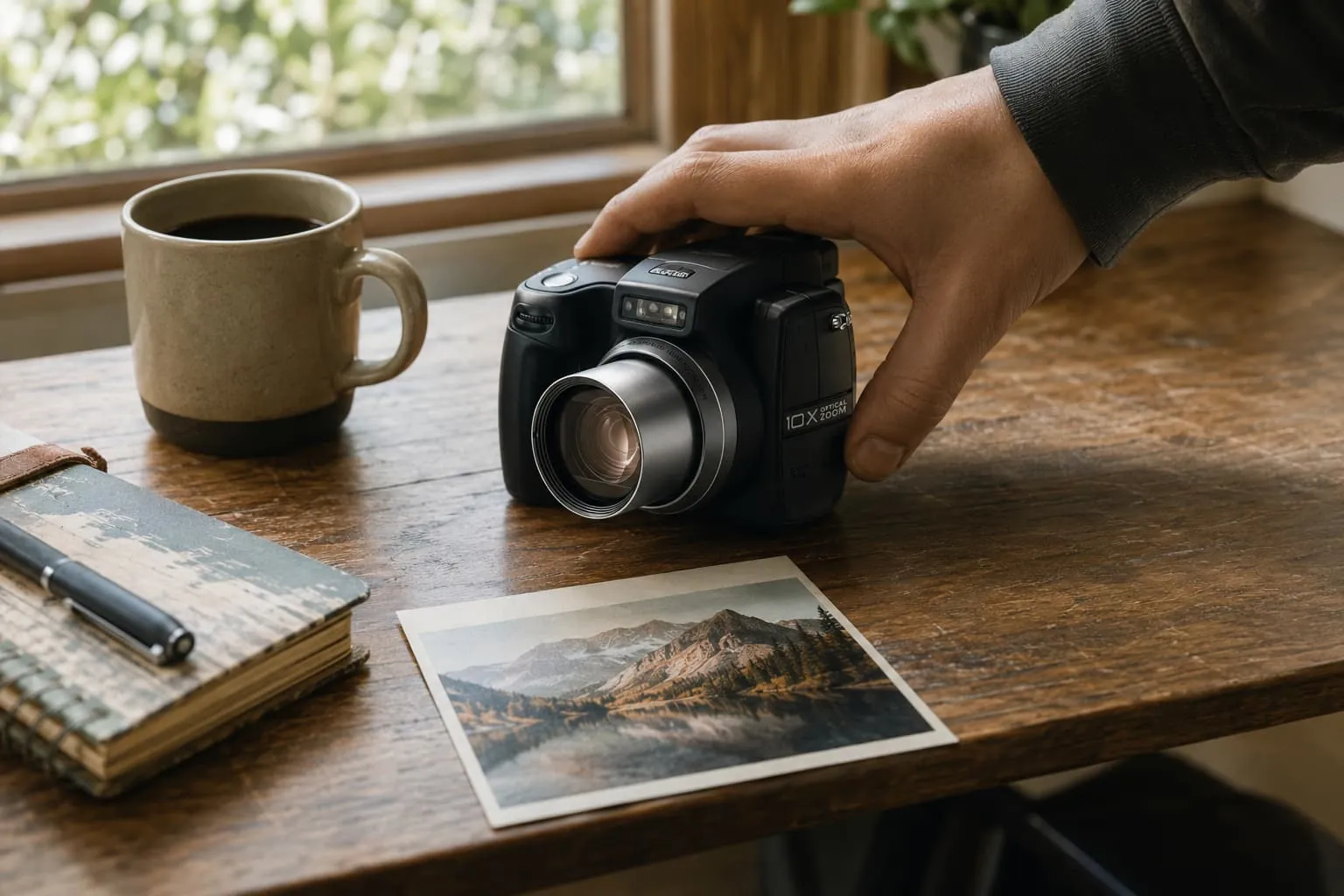
Kodak EasyShare DX6490
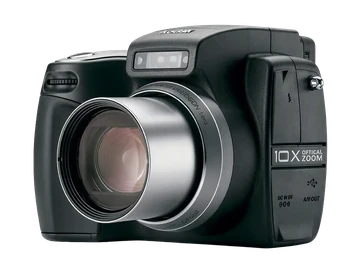
Digital bridge camera
Early digital
Direct · vivid · instinctive
The memory comes back like a soft, grainy photograph — the kind the Kodak DX6490 used to make when the light was gentle and the world felt slower. I remember the day I bought it. 2004, 4500 RMB, the little bundle with the 128 MB SD card and that 100 RMB tripod that felt like a fragile promise. I held the camera in my hands and thought, why is it so small? My old Olympus IS-20 was a giant, a creature of film and weight. But in my mind, I had already projected the DX6490 onto it — same silhouette, same lens-forward posture, same idea of reach. I didn’t buy a camera; I bought a memory of a camera I once trusted.
It was my first digital camera. But more importantly, it was my first direction, my first observation, my first eye emotion. It was the gate I walked through — and I never walked back.
I learned direction with that machine. Not the compass kind — the photographer kind: how to circle a subject, feel where the story sits, and sense the invisible line between me and the moment. The DX6490 taught me to observe with intention and let my eyes become emotional instruments instead of passive windows.
I learned direction with that machine. Not the compass kind — the photographer kind. How to circle a subject, how to feel where the story sits, how to sense the invisible line between me and the moment. The DX6490 taught me to observe with intention, to let my eyes become emotional instruments instead of passive windows. It was the first camera that responded instantly to my curiosity, the first one that let me chase a feeling without waiting for film to finish its slow ritual.
My First Digital Camera
Two college photography awards came from that little device. I did not win because the camera was good; I won because it let me practice. It let me fail cheaply, try endlessly, and shoot recklessly. It was my first teacher, my first partner, and my first witness.
The Archivist of Youth
I carried it through dorm rooms, streets, rooftops, empty hallways, and long walks where I did not know what I was looking for until I found it. The DX6490 became the archivist of my youth — the keeper of faces, mistakes, experiments, and quiet triumphs. It recorded the version of me that was still learning how to see.
Lost in Russia
And then Russia: a trip, a moment, a disappearance. The camera slipped out of my life the way a memory sometimes slips out of your hands — quietly, without drama or goodbye. I searched, retraced, and replayed, but it was gone: a small black box swallowed by a vast country.
Even now, when I lift any camera to my eye, I feel the DX6490 inside me: the way it taught me to turn my head, to wait, and to feel before I shoot. It was the first camera that responded instantly to my curiosity and let me chase a feeling without waiting for film to finish its slow ritual.

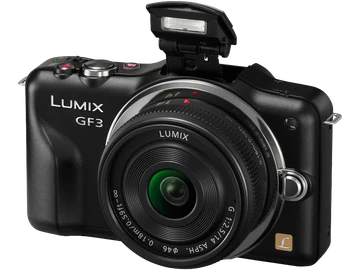
Panasonic Lumix GF3
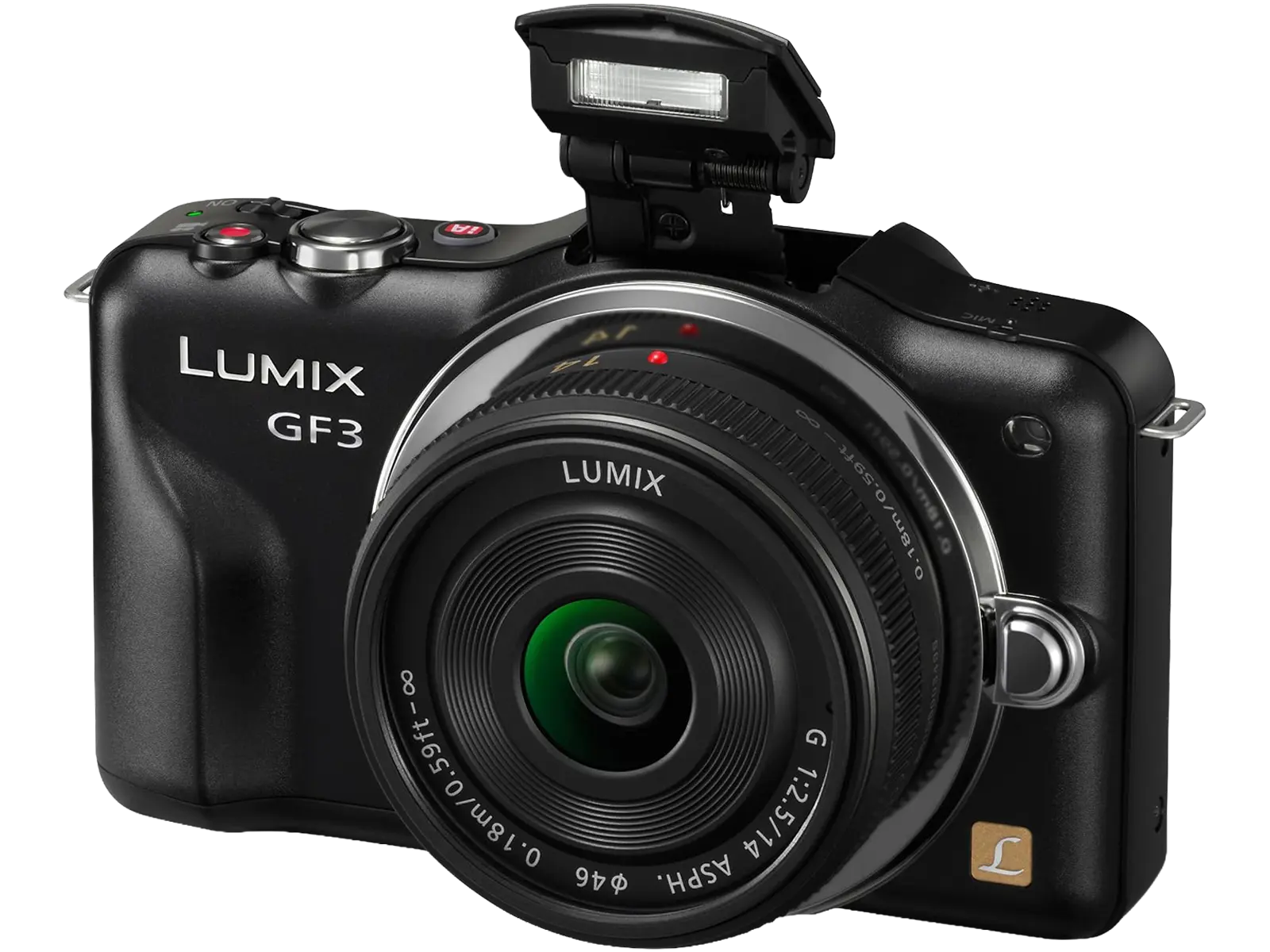
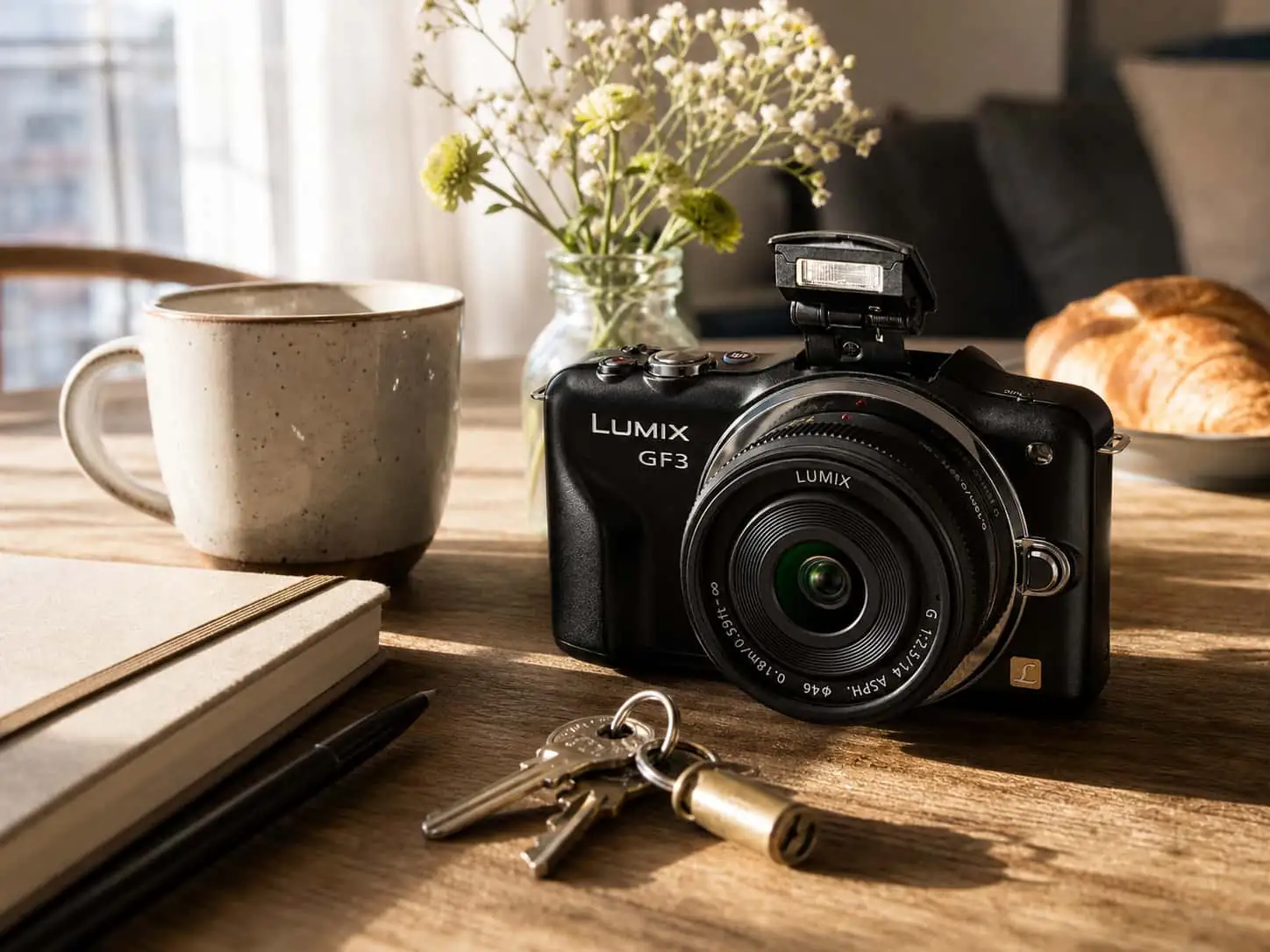
Compact mirrorless camera
Pocketable system era
Small · quick · social
The Panasonic Lumix GF3 sits in my memory like a small doorway — the first interchangeable-lens camera I bought for myself from a second-hand seller, and the first time I felt the freedom of choosing a lens instead of accepting whatever the camera body dictated. It was Savannah, a new city and a new life, while I was living in my professor’s house and carrying the GF3 like a quiet companion that did not yet know what kind of photographer I was becoming.
It was a small chapter — but without it, the next chapters would not exist.
I remember how small it felt, almost too small. It did not “see” the way I expected, not because it was bad, but because I was still learning to speak its language. I photographed the house, the neighborhood, and small experiments. The GF3 did not judge; it simply recorded. It was a transitional camera, a steppingstone, and a soft beginning.
The Limit Appears
One year later I wanted more control, clarity, and presence. The GF3 had opened the door, but it could not take me further, so I replaced it with the Lumix G3 — a camera that finally matched the ambition forming inside me.
The First Camera of SCAD
The GF3 was not a masterpiece or a legend — though its nickname, “Girl Friend 3,” still makes me smile. It was the first camera I bought as a SCAD student, the first camera of my SCAD life, and the first that taught me the feeling of choosing my own tools.
Panasonic Lumix TZ3
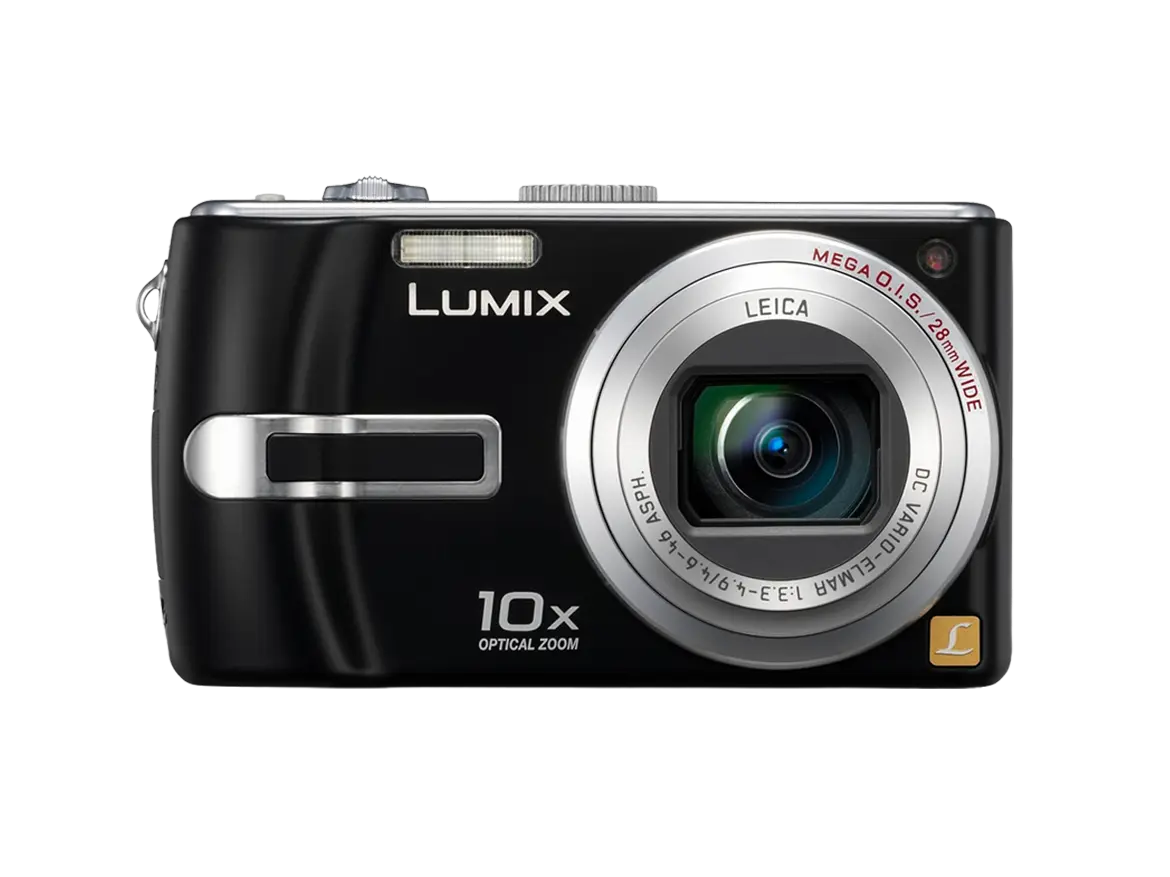
Travel zoom compact
Classic compact digital
Practical · discreet · far-reaching
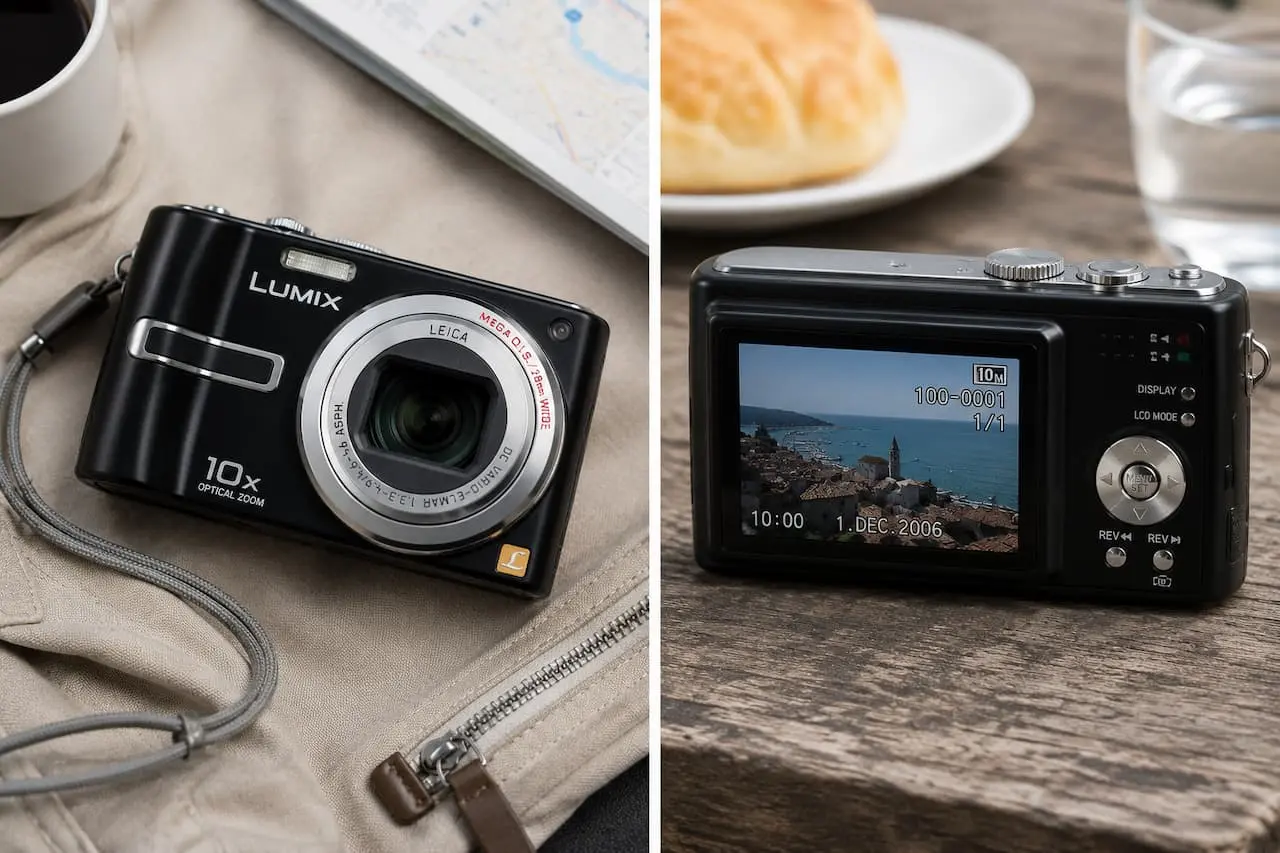
The Panasonic Lumix TZ-3 entered my life because my father lost my Kodak DX6490 in Russia. It was not supposed to be my camera or even to be special, but it became part of our family story in a way I did not expect.
That was the charm of the TZ-3: it did not brag or pretend, but it delivered more than anyone expected.
I remember the first time I held it: a 10× zoom inside such a slim compact body. It felt almost impossible, as if Panasonic had folded a telescope into a pocket-sized machine. The TZ-3 did not look powerful, but the moment the zoom extended, it transformed into a small miracle of engineering.
Our Travel Witness
We took it through Singapore, Malaysia, and Thailand — family trips, warm air, crowded streets, and bright skies. The TZ-3 captured the way we moved together as a family. It was not a DSLR, but its images had a straightforward, honest sincerity that felt full of life.
A Quiet Surprise
One detail stayed with me: my girlfriend saw some of my photographs and was surprised that they had come from the TZ-3. That quiet ability to exceed expectation became the camera’s defining character.
Olympus OM-D E-M10
Micro Four Thirds mirrorless
Modern classic revival
Tactile · balanced · precise
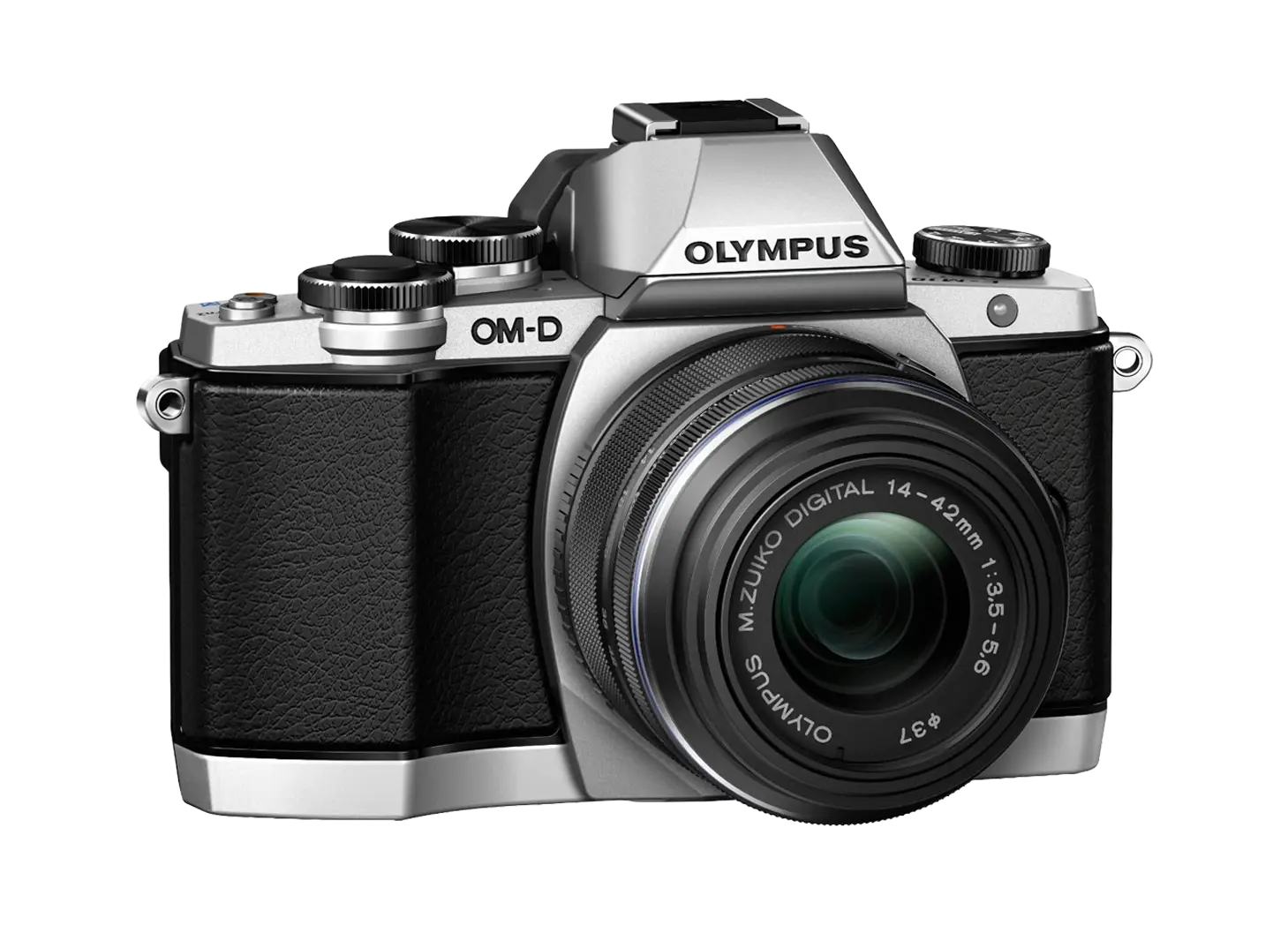
The Olympus OM-D E-M10 enters my memory like a lighter echo of the E-M5 — familiar in shape and spirit, but carrying one crucial ability that changed everything for me: remote control.
Even now I still love that camera. At that time it was the best for me — the perfect balance of simplicity, portability, and the one feature that changed my workflow completely.
The moment I realized it could connect to my phone, let me see myself, and support selfies and self-portraits with confidence, I knew this was the camera I needed for the next chapter of my life.
Behind and in Front
I did not choose the E-M10 because it was more powerful. I chose it because it understood something the E-M5 did not: sometimes a photographer needs to be both behind the lens and in front of it.
The Remote Miracle
Suddenly I could frame myself, adjust the angle, check the light, and shoot without guessing. Remote control opened a new way of working — self-shooting, documenting myself, and capturing moments where I was part of the story instead of only the observer.
The Lighter Olympus
It was the “light version” of the E-M5: smaller, simpler, and less armored, but carrying the same clean design, sharp rendering, and emotional Olympus color. It traveled with me through Russia, India, and other places whose names blur into the feeling of movement, discovery, and distance.
Olympus OM-D E-M5
Micro Four Thirds mirrorless
Weather-ready mirrorless
Resilient · responsive · cinematic
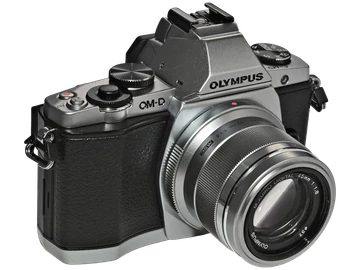
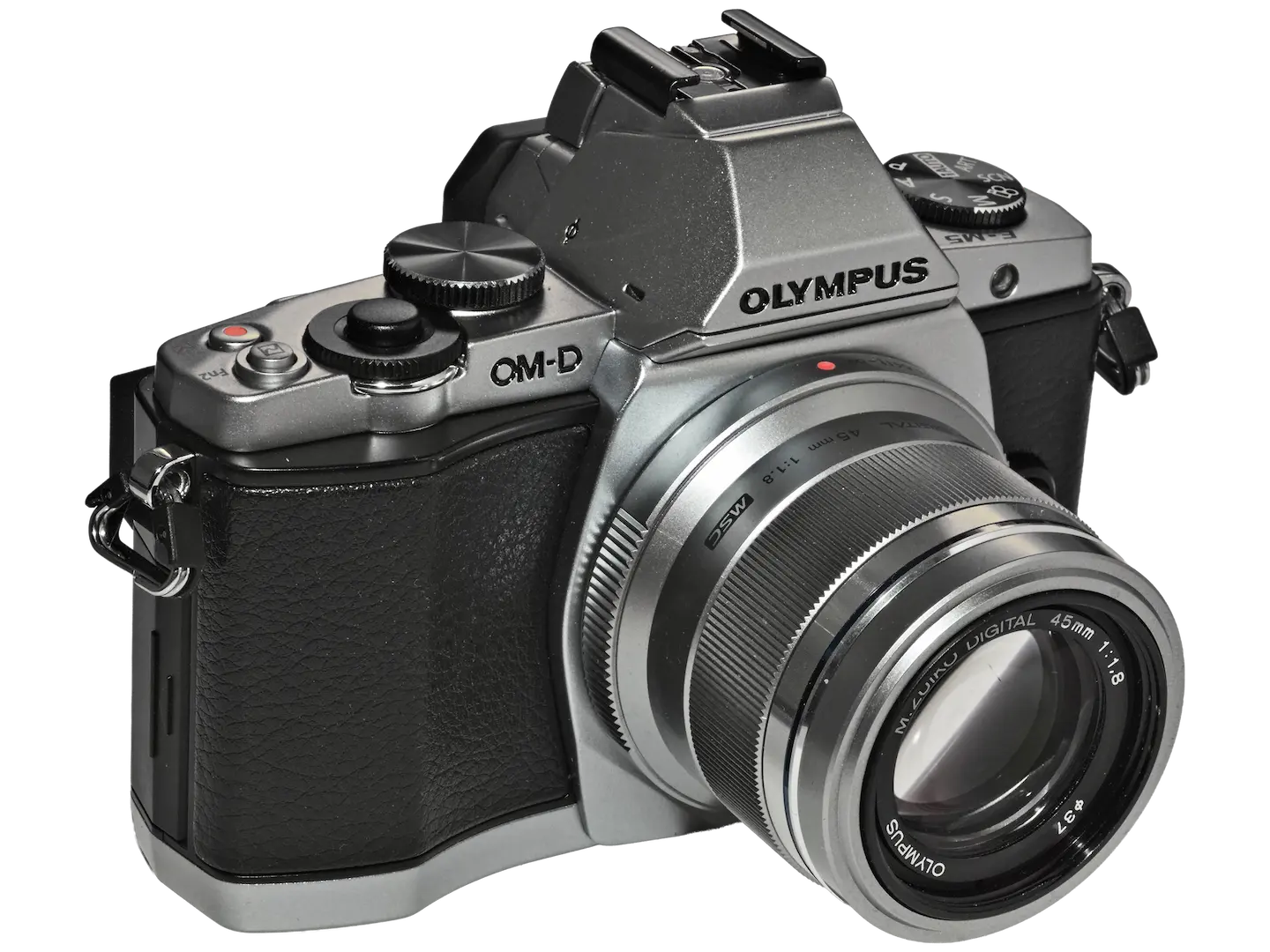
The Olympus OM-D E-M5 enters my memory like a moment of clarity — the point where I realized what a camera could truly feel like in the hand, and how confidence could come from the way a machine responds to movement. I replaced the Lumix G3 because it had no sensor-shift stabilizer; after too many blurred shots and lost moments, I needed something steadier.
The E-M5 was not merely a replacement for the G3. It was the moment I understood that a camera can do more than capture the world — it can steady you while you walk through it.
Then I touched the E-M5. Its beautiful, almost jewel-like aluminum-alloy body felt serious, adult, and already lived-in. Heavy, solid, and confident, it told my hand: “Do not worry. I will not shake.” I could not leave it after that first touch.
Permission to Trust
The stabilizer felt world-class, almost supernatural. For the first time I could shoot exactly as I wanted — fast, instinctive, and emotional — without fear. The E-M5 turned confidence into a physical sensation.
The Recorder of Endings
During the last stretch before graduation I used it everywhere: street corners, quiet rooms, late afternoons, and small adventures. It became the recorder of endings, preserving the final chapter of that period of my life. Many of those photographs still feel like anchors.
The Missing Connection
There was one missing piece: no smartphone app, remote view, or self-monitoring. For self-shooting it became a wall I could not climb, so I moved to the Olympus OM-D E-M10 — a downgrade on paper, but an upgrade for the way I needed to work.
A Sculpture and Companion
Even now I love the E-M5. It was the best at that time: a sculpture, a tool, a companion, and a stabilizer not only for images but for my own sense of direction.
Olympus OM-3
35mm manual-focus SLR
Analog precision
Mechanical · disciplined · timeless
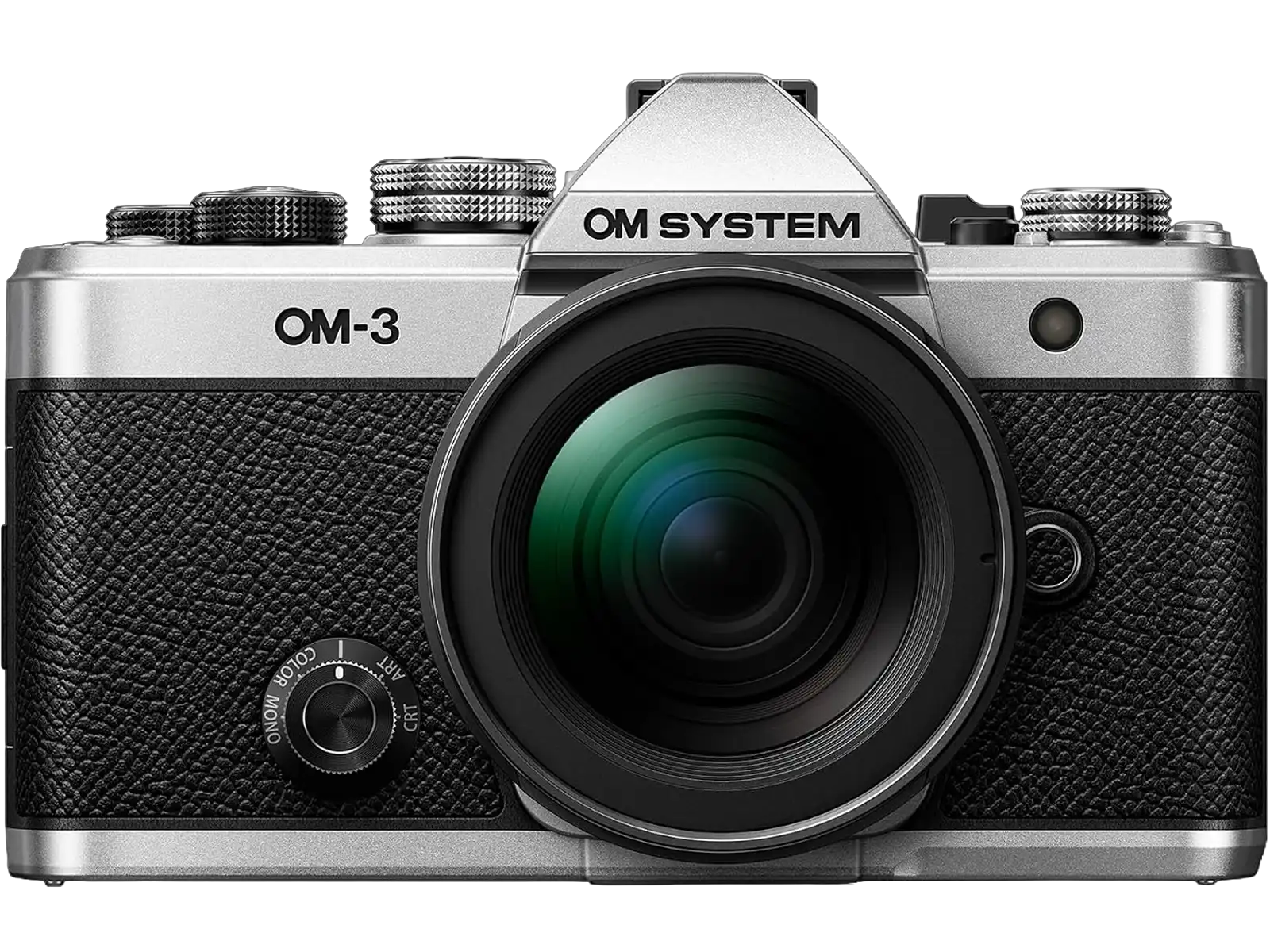
I chose the OM-3 because I wanted professional image quality without losing the emotional charm of Olympus history and classic design. It delivered images with quiet confidence — sharp, balanced, elegant, honest in color, and mature in rendering.
It was not just another tool. It was a statement — a camera that captured both images and the version of myself I wanted the world to see.
I trusted it with the important moments: my album cover, my Red Dot Award hero image, and my magazine cover. The OM-3 shaped my public identity and captured the images people would see first when they encountered my work.
A Camera Like Sculpture
The aluminum-alloy body felt sculptural and solid in the hand: heavy enough to feel serious, but balanced enough to move with me. Once I touched it, I did not want to put it down. It carried the Olympus magic of an object built by people who cared about photography, not only engineering.
The Feature I Missed
The OM-3 was excellent for photographing others, controlled setups, and professional work, but self-shooting was not smooth. Selfies, remote shooting, and seeing myself on a screen lacked the convenience I needed. It did not make me dislike the camera, but it left me wishing for one more feature.
Panasonic Lumix G3
Micro Four Thirds mirrorless
Accessible system camera
Friendly · versatile · composed
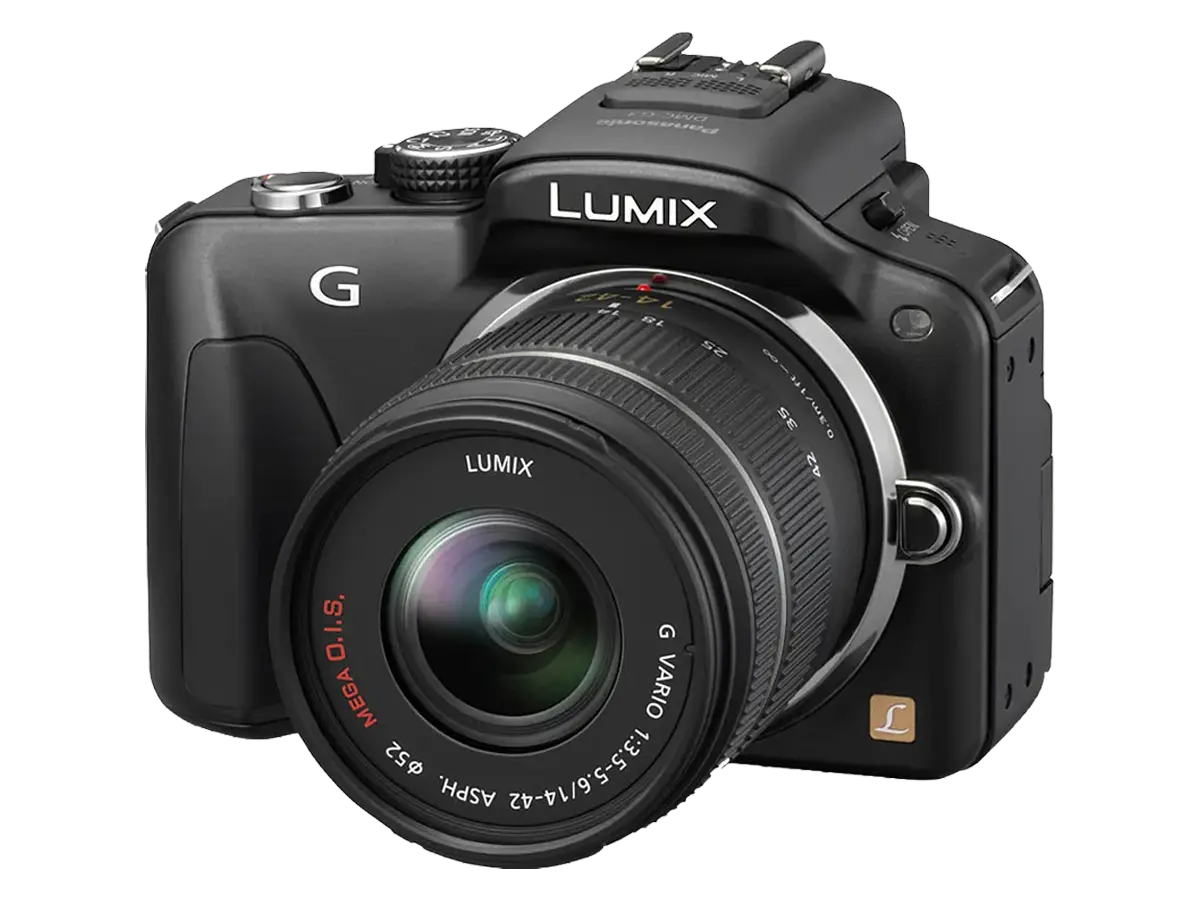
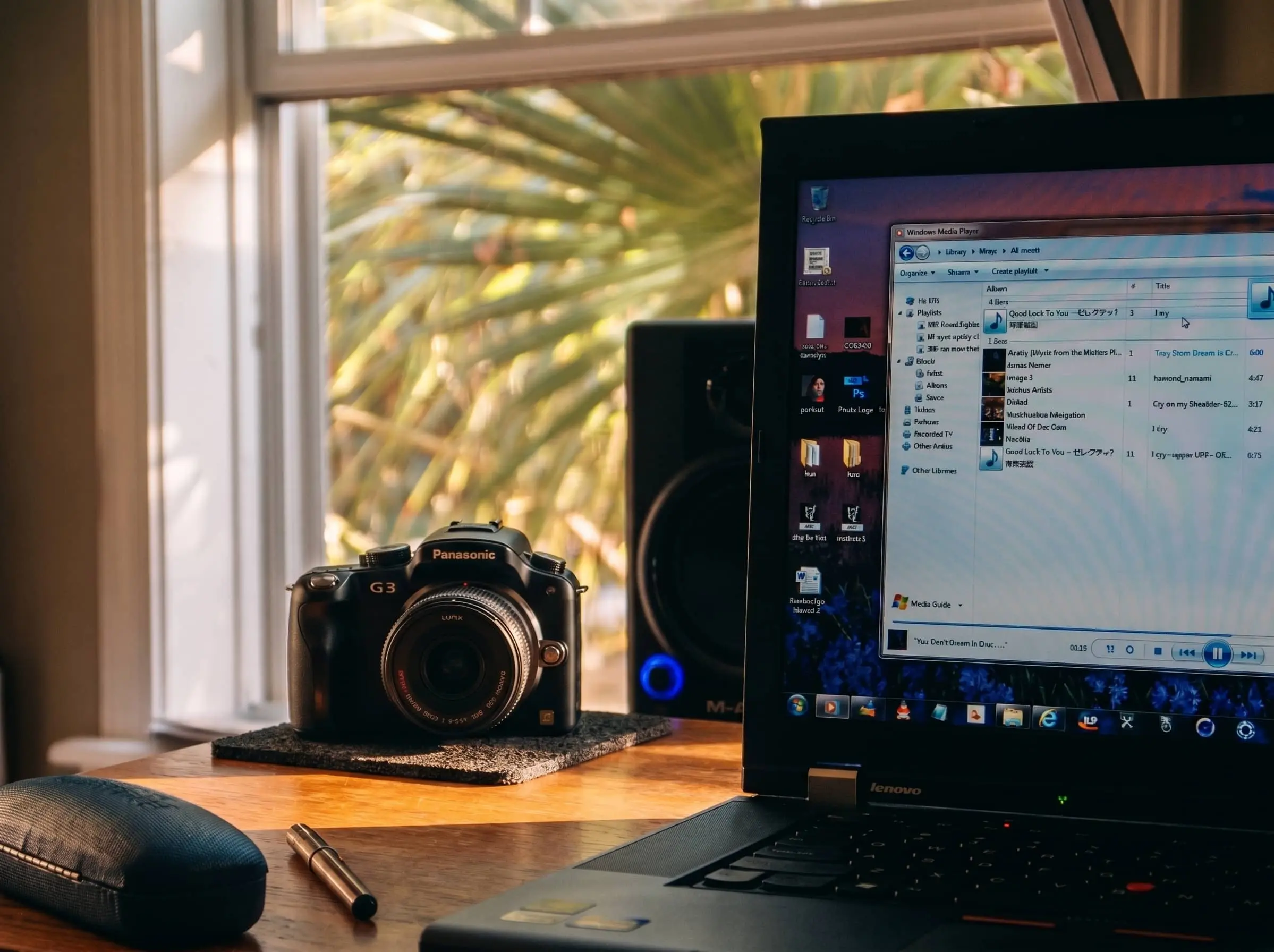
The Panasonic Lumix G3 lives in my memory like a sudden upgrade in destiny — the moment when my photography, my life in the United States, and my sense of possibility snapped into sharper focus. On Black Friday in 2013, it appeared on Amazon at a 50% discount for only $300. It felt as if the camera had chosen me, and I pulled a new chapter directly into my hands.
The Lumix G3 was never just a mid-range camera. It was the bridge between who I was and who I was becoming — a camera bought in the darkness of Black Friday that illuminated an entire chapter of my life.
The beach became the G3’s stage. I made so many photographs there that I cannot remember them all, but I remember the light, wind, sand, and a clarity that surprised me. Some direct, untouched files from that period still feel unsurpassed — full, rich, and almost like full-frame magic.
Two Ways of Seeing
I used two lenses: one simple general-purpose lens for everyday life and one long zoom for reach — for pulling faraway things closer. Together they shaped the way I saw America: streets, sky, people, and the quiet corners of my life before leaving the country.
Proof That I Had Lived
Before I left the United States in 2014, the G3 made a whole collection of memories. Those photographs became anchors — proof that I had lived, learned, wandered, and grown there. It witnessed my transition, uncertainty, and excitement.
Stepping Aside
In April 2014, a second-hand Olympus OM-D E-M5 entered my life and the G3 stepped aside. Not because it failed, but because it had completed its work: carrying me through a year of change and giving me images I still cannot surpass.
Ricoh XF-30
35mm compact camera
Everyday film
Honest · portable · nostalgic
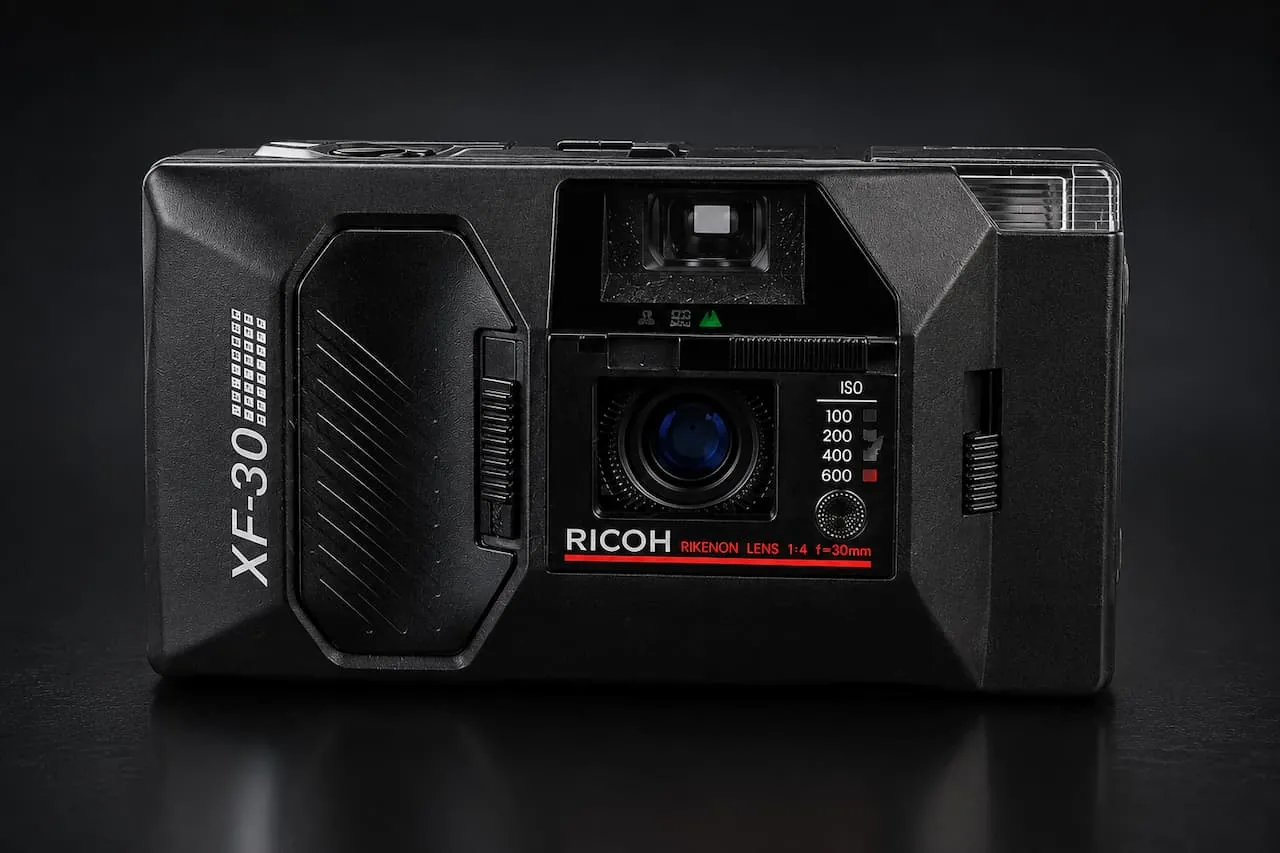
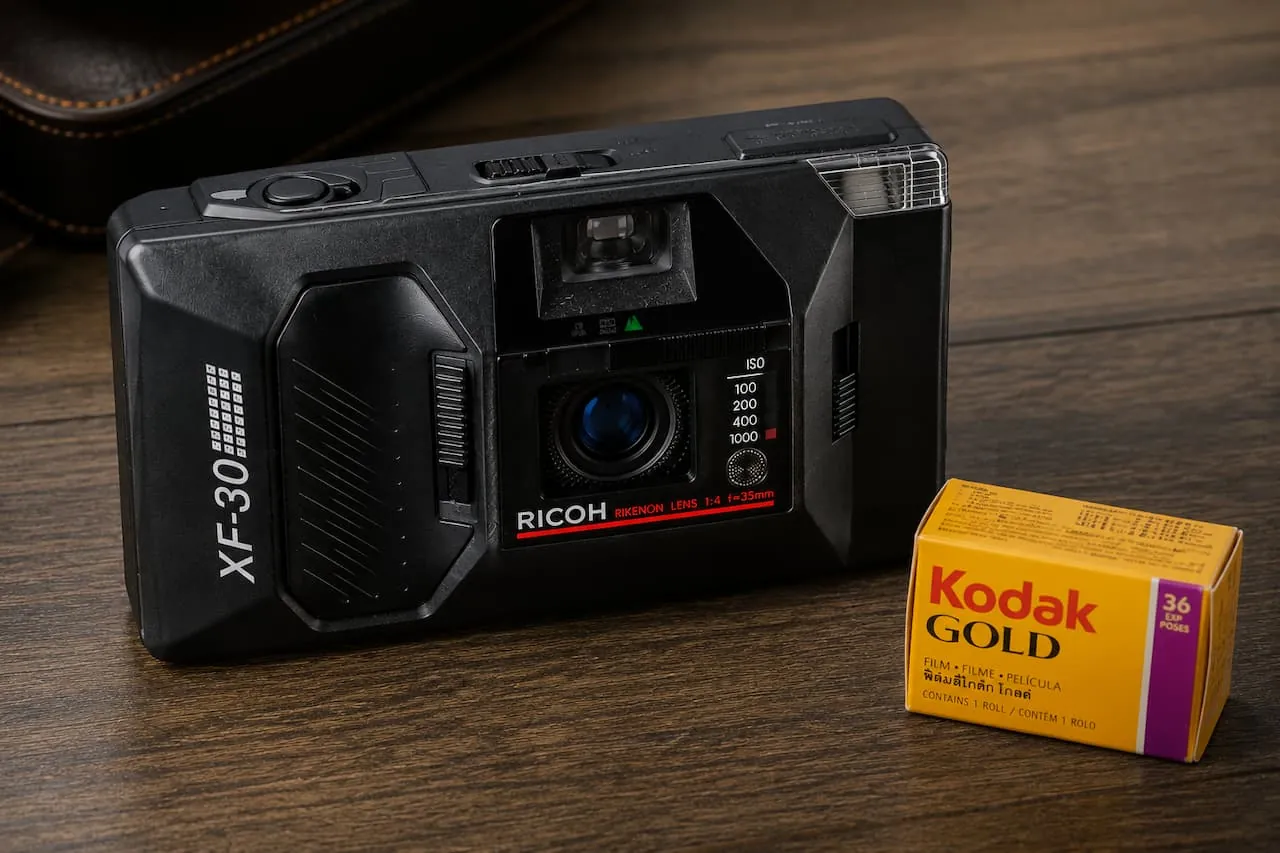
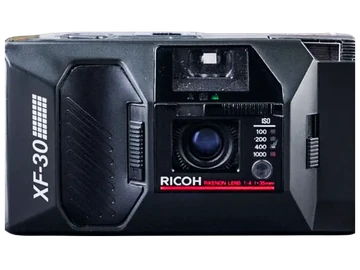
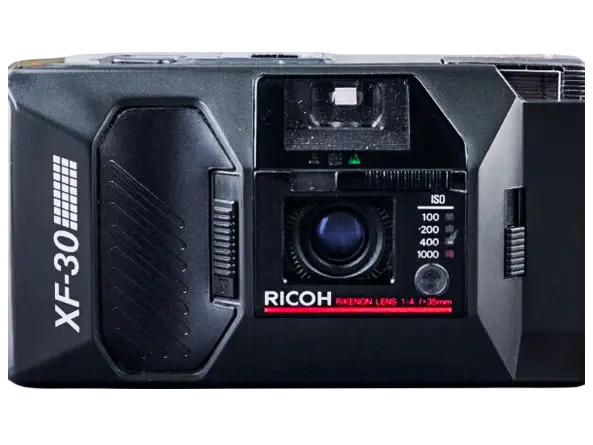
The Ricoh XF-30 sits in my memory like a childhood myth — the first camera that did not merely take pictures but glowed with mystery. It was the first camera in our family, given by my grandfather while I was still in elementary school, and it carried a sacred weight.
The Ricoh XF-30 was the childhood doorway into the world I would later enter fully — cameras, lenses, direction, observation, and eye emotion.
I looked at it the way a child looks at a computer for the first time: with awe, confusion, and a little fear. It seemed high-tech and magical, a sophisticated device only adults were allowed to touch. In my parents’ hands it looked like a machine from the future; in mine, it felt like trespassing into a world I was not ready for.
The Tiny Window
The viewfinder stayed with me: a tiny window, a little square of possibility. The XF-30 was not only a film camera, but the beginning of curiosity — the first spark that taught me images could be captured, held, and remembered.
Olympus IS-20
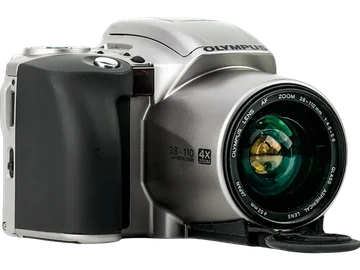
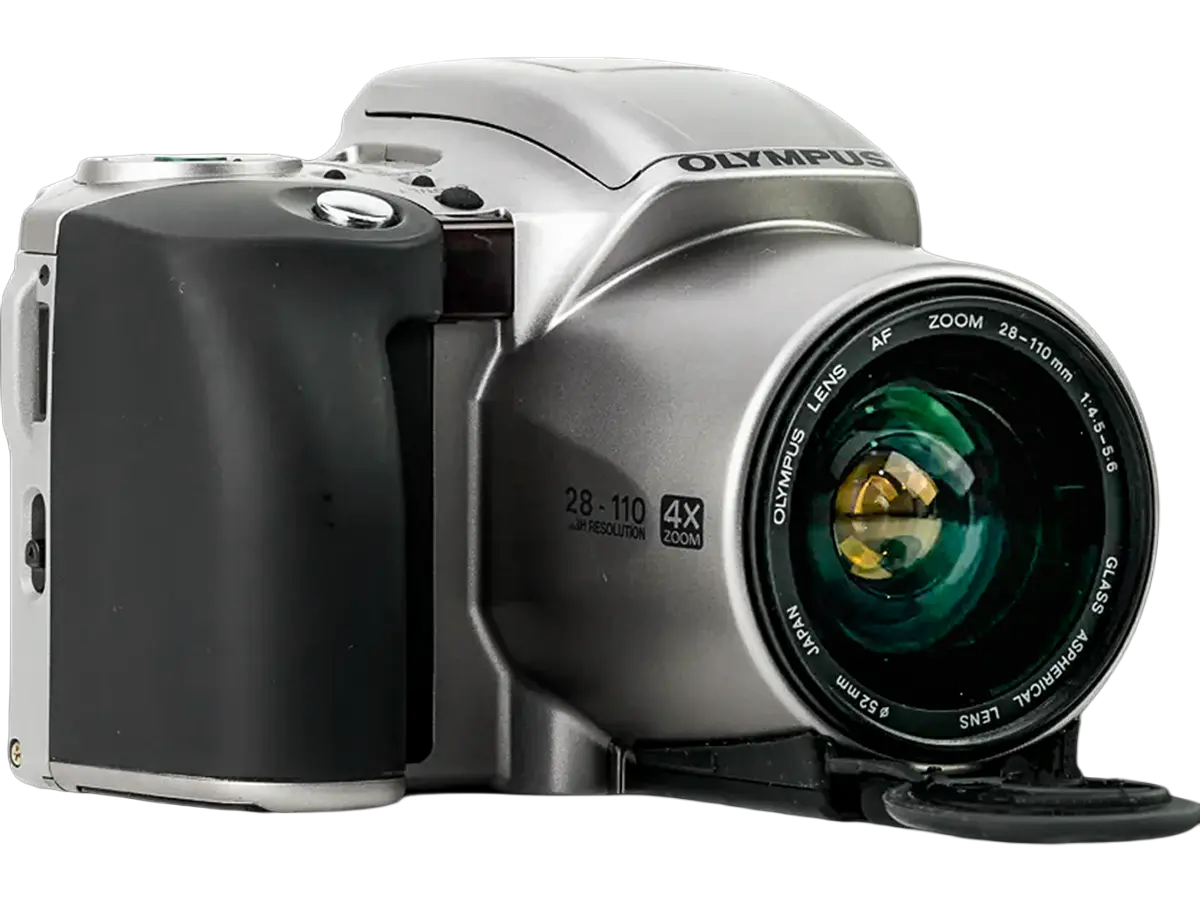
35mm all-in-one SLR
Integrated zoom design
Sculptural · assured · distinctive
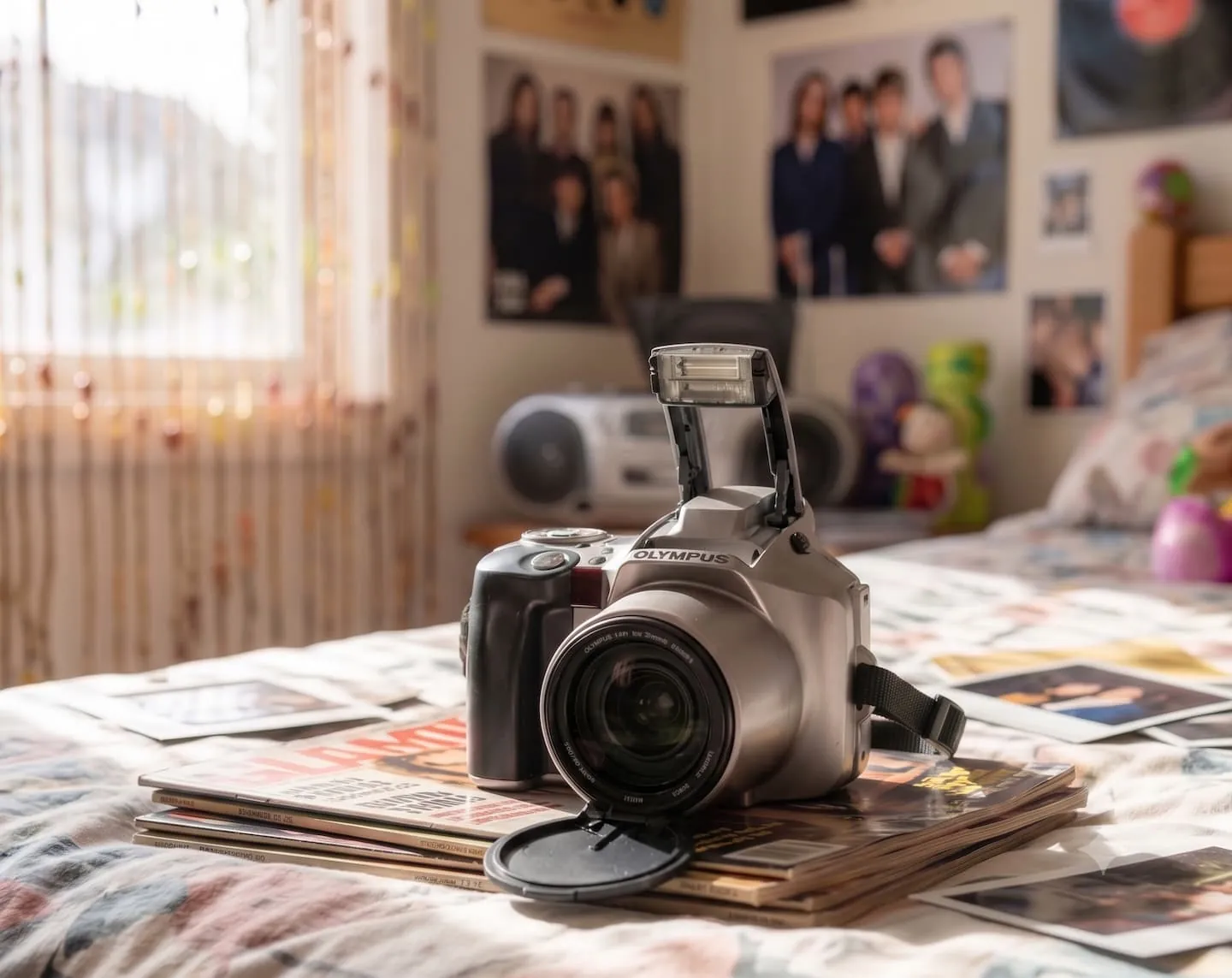
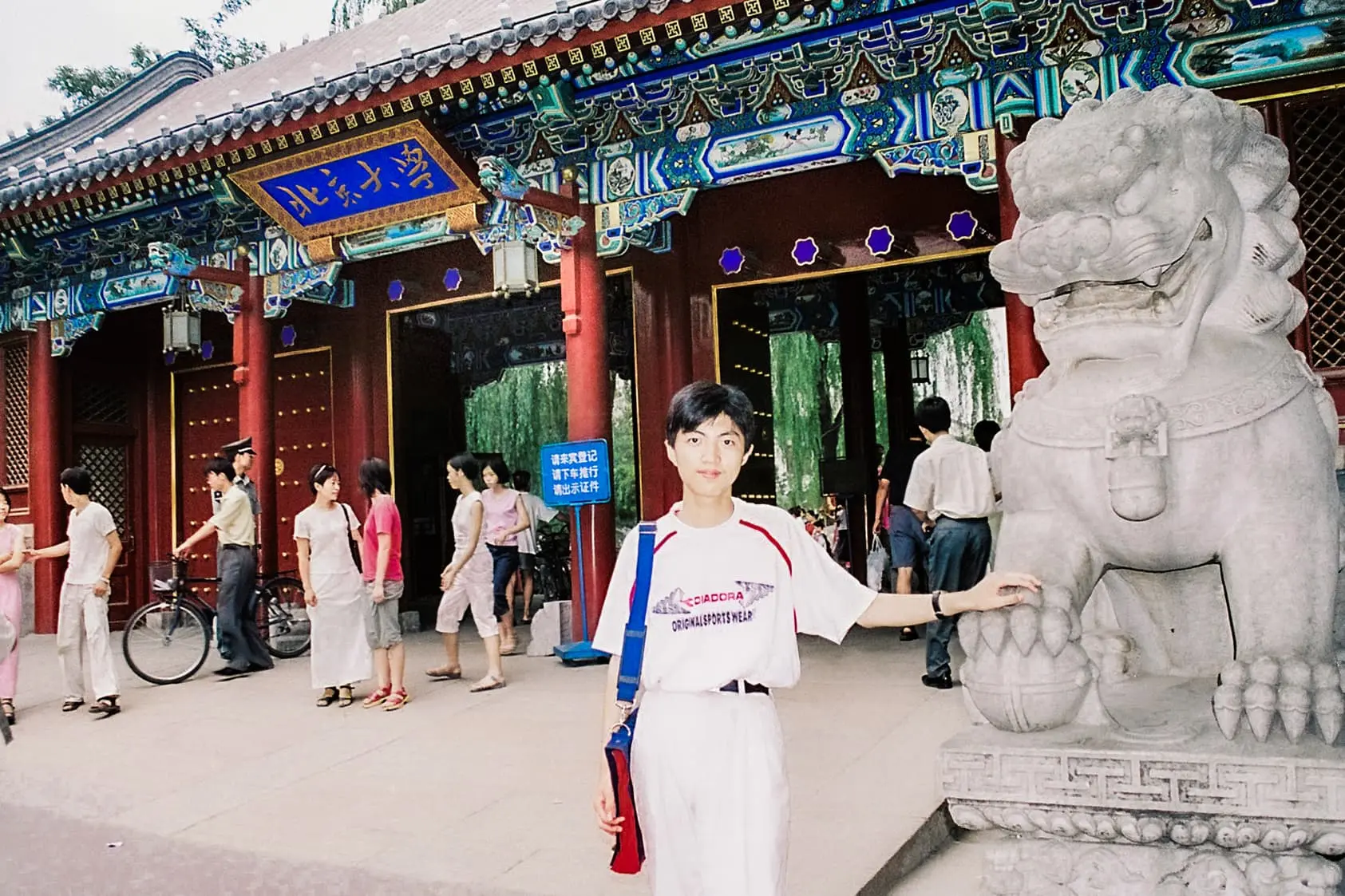
The memory of the Olympus IS-20 film camera comes back differently — heavier, slower, warmer. It wasn’t a camera I bought; it was a camera given to me, passed down like a small inheritance of trust.
My uncle placed it in my hands in 2001, when I was still in high school, and the world felt too large for me to capture. The IS-20 felt like a professional instrument, something adults used, something serious. I remember holding it and thinking: This is not a toy. This is responsibility.
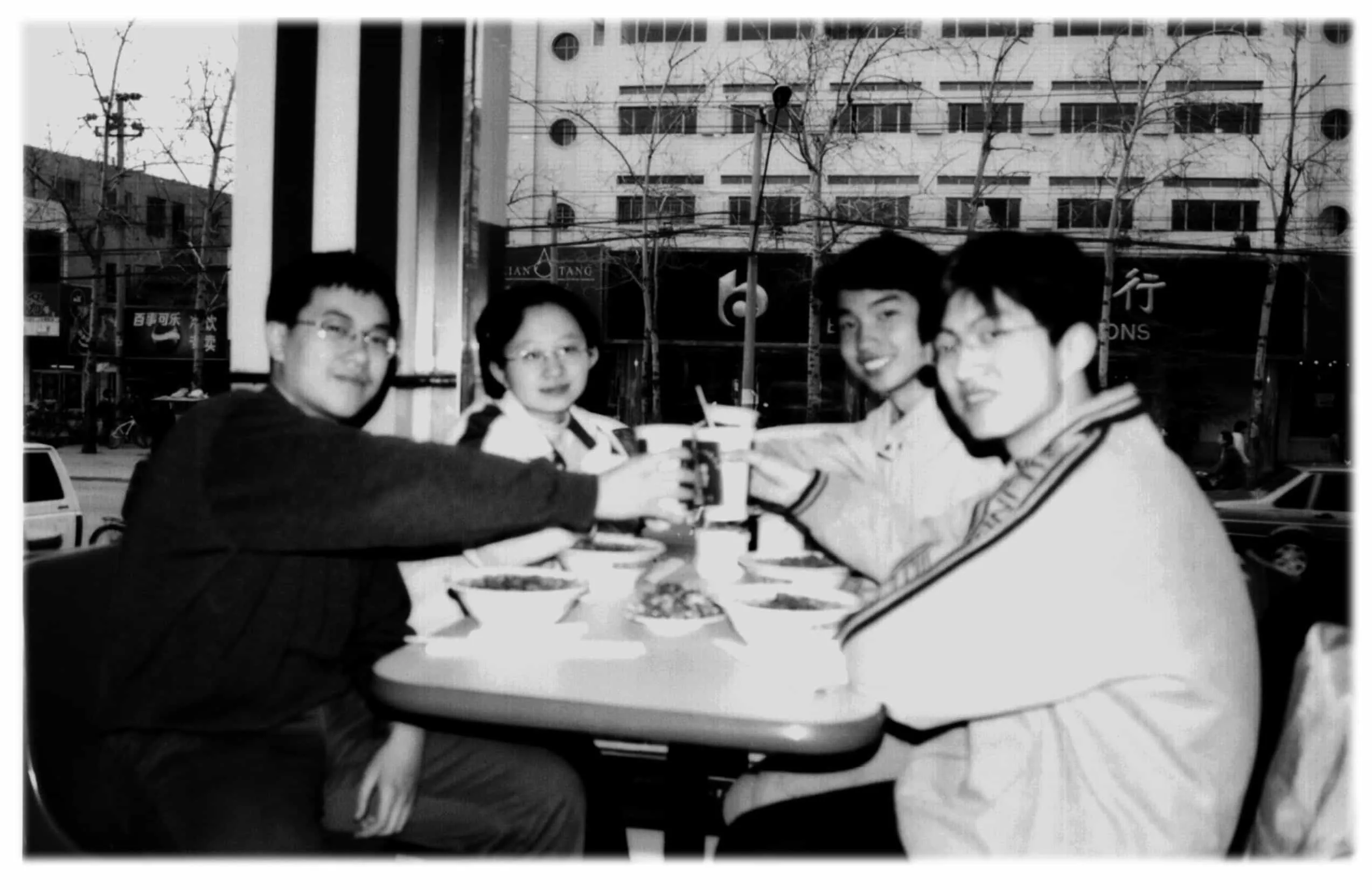
I took it to Beijing with my mom. My first time traveling with a “real Pro” camera. I didn’t know what aperture truly meant, didn’t understand shutter philosophy, but I understood one thing: when I pressed the shutter, I was freezing something that mattered--beginning of seeing the world with intention.
I took it to Beijing with my mother — my first journey with a “real pro” camera. I did not yet understand aperture or shutter philosophy, but I understood that pressing the shutter froze something that mattered. It was the beginning of seeing the world with intention.
When I think of the Olympus now, I don’t think of specs or film rolls. I think of a young version of myself learning how to see. I think of Beijing sunlight bouncing off old streets. I think of the thrill of being mistaken for a journalist. I think of Zhangjiajie mist curling around stone giants. I think of the weight of the camera — heavier than the Kodak, heavier than anything digital — and how that weight shaped my early sense of direction, observation, and eye emotion.
A Temporary Identity
In 2003, I carried the IS-20 through the streets, trying to preserve the place I was about to leave. I wasn’t shooting for art; I was shooting for memory. People looked at me differently. The camera was big, serious, professional. Strangers asked me if I was a journalist. That misunderstanding gave me a strange, powerful satisfaction — as if the camera had granted me a temporary identity, a role I hadn’t earned yet but deeply wanted.
Zhangjiajie
After 2 years, we took the camera to Zhangjiajie, and I shot endlessly — mountains, mist, stone pillars rising like ancient guardians. I thought the photos were great. Maybe they weren’t perfect, maybe the exposure was off, maybe the film grain was too strong. But at that time, they were great to me, and that mattered more than technical correctness. Those photos were the first time I felt proud of what I captured.
Learning to Translate Beauty
The IS-20 didn’t just record landscapes; it recorded the moment I realized I could see beauty and translate it. When I think of the Olympus now, I don’t think of specs or film rolls. I think of a young version of myself learning how to see. I think of Beijing sunlight bouncing off old streets. I think of the thrill of being mistaken for a journalist. I think of Zhangjiajie mist curling around stone giants. I think of the weight of the camera — heavier than the Kodak, heavier than anything digital — and how that weight shaped my early sense of direction, observation, and eye emotion.
Sony NEX-5
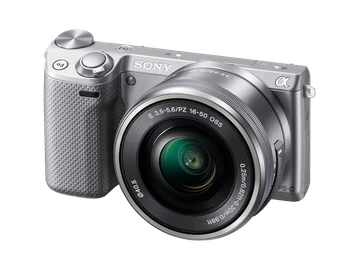
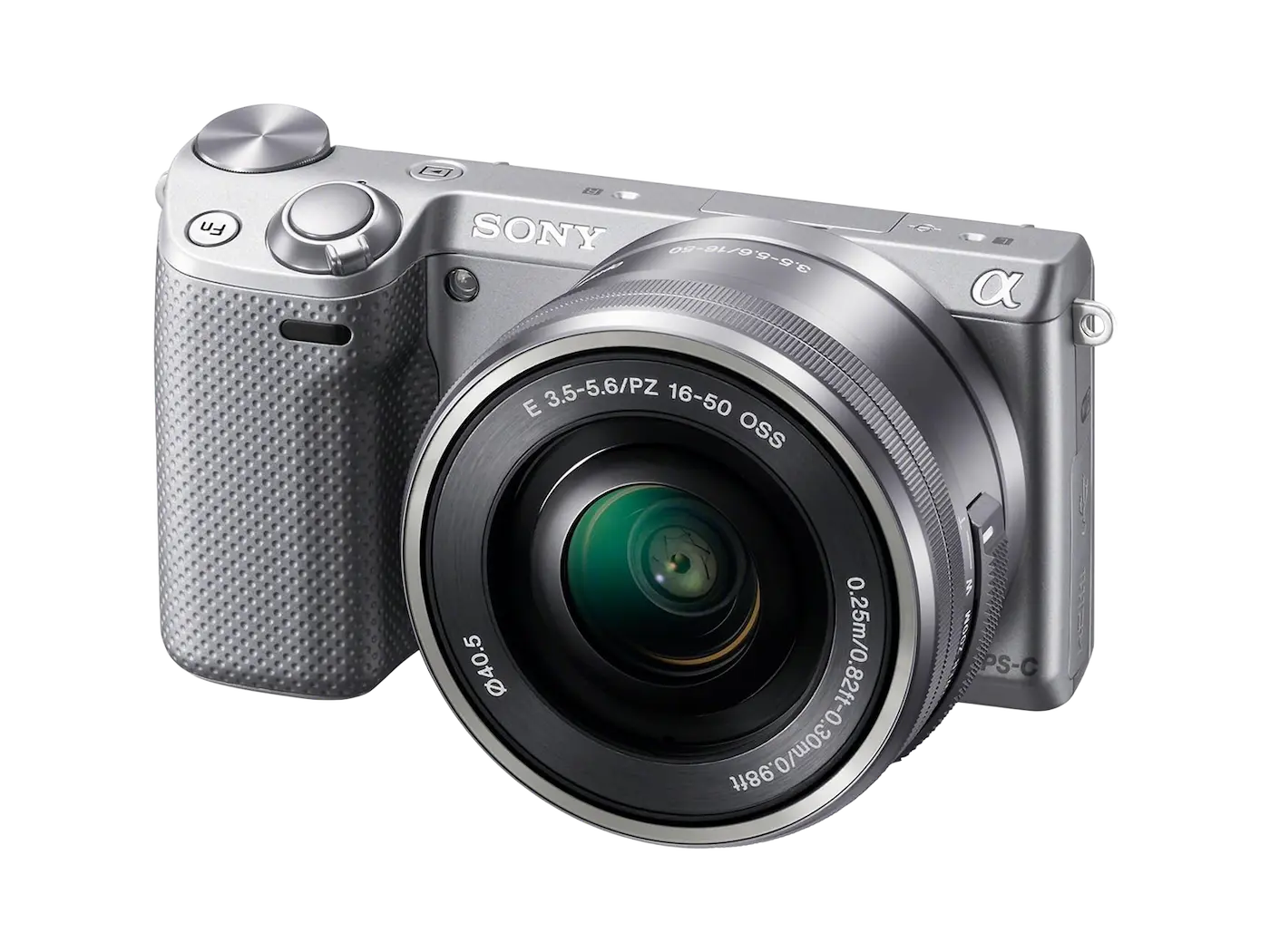
APS-C mirrorless camera
Early interchangeable-lens mirrorless
Compact · cinematic · assertive
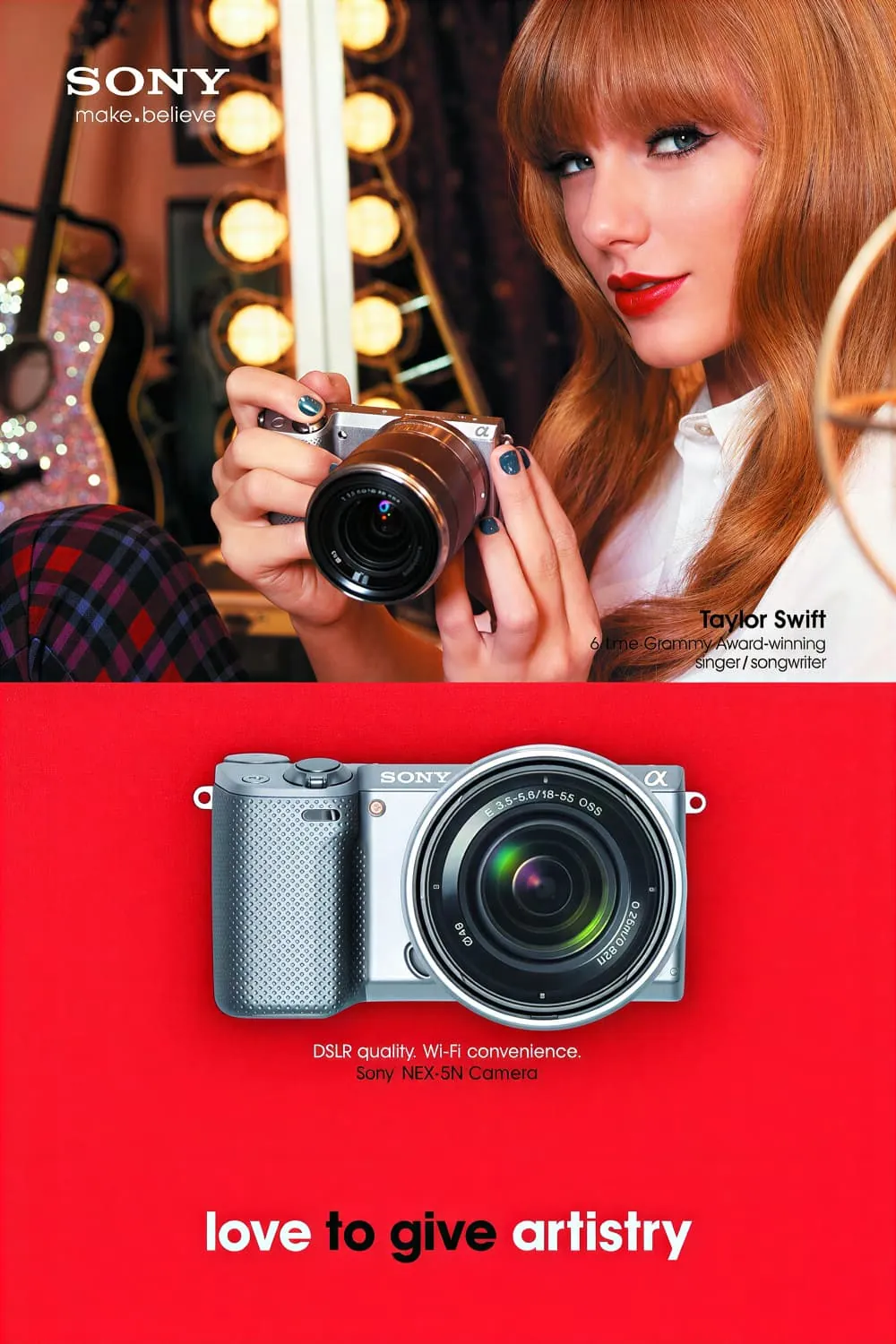
The SONY NEX-5 was actually my uncles gear. But when I first steped on the land of U.S.A, he took me to the BestBuy and then we got this. Later on Taylor Swift was representitive of this that would be the later story.
During that time I lived in my uncle's apartment, knowing nobody there, when I went out, there was nobody as well, only traffic. Flet like a little boring, so I started to treate Next-5 as a toy, see if I could play something fun. Surprisingly, I made something. You know what was that? Yes, the Selfies.
It carried the promise of artistry in a smaller form—proof that ambition no longer required a heavy camera around the neck.
A large APS-C sensor in a slim body gave shallow depth of field and DSLR-grade presence without the weight of a traditional SLR.
Light Against Shadow
A high-contrast monochrome portrait shows what the NEX-5’s APS-C sensor was built to protect: texture in the lit plane, deep blacks in the falloff, and a background that dissolves into soft indoor bokeh. Half the face becomes architecture of light; the other half disappears into night.
Love to Give Artistry
A period Sony campaign with Taylor Swift framed the NEX line as a creative companion—“DSLR quality” with a lighter body, and the slogan “love to give artistry.” The advertisement captured the camera’s cultural moment: mirrorless sold not only as hardware, but as permission to make images with style.
Canon FD 50mm f/1.4
Manual-focus standard lens
Classic 35mm system
Luminous · tactile · timeless
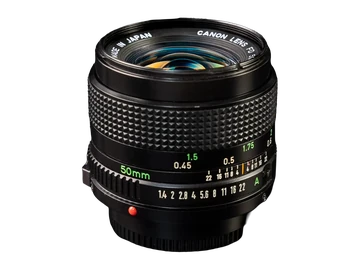
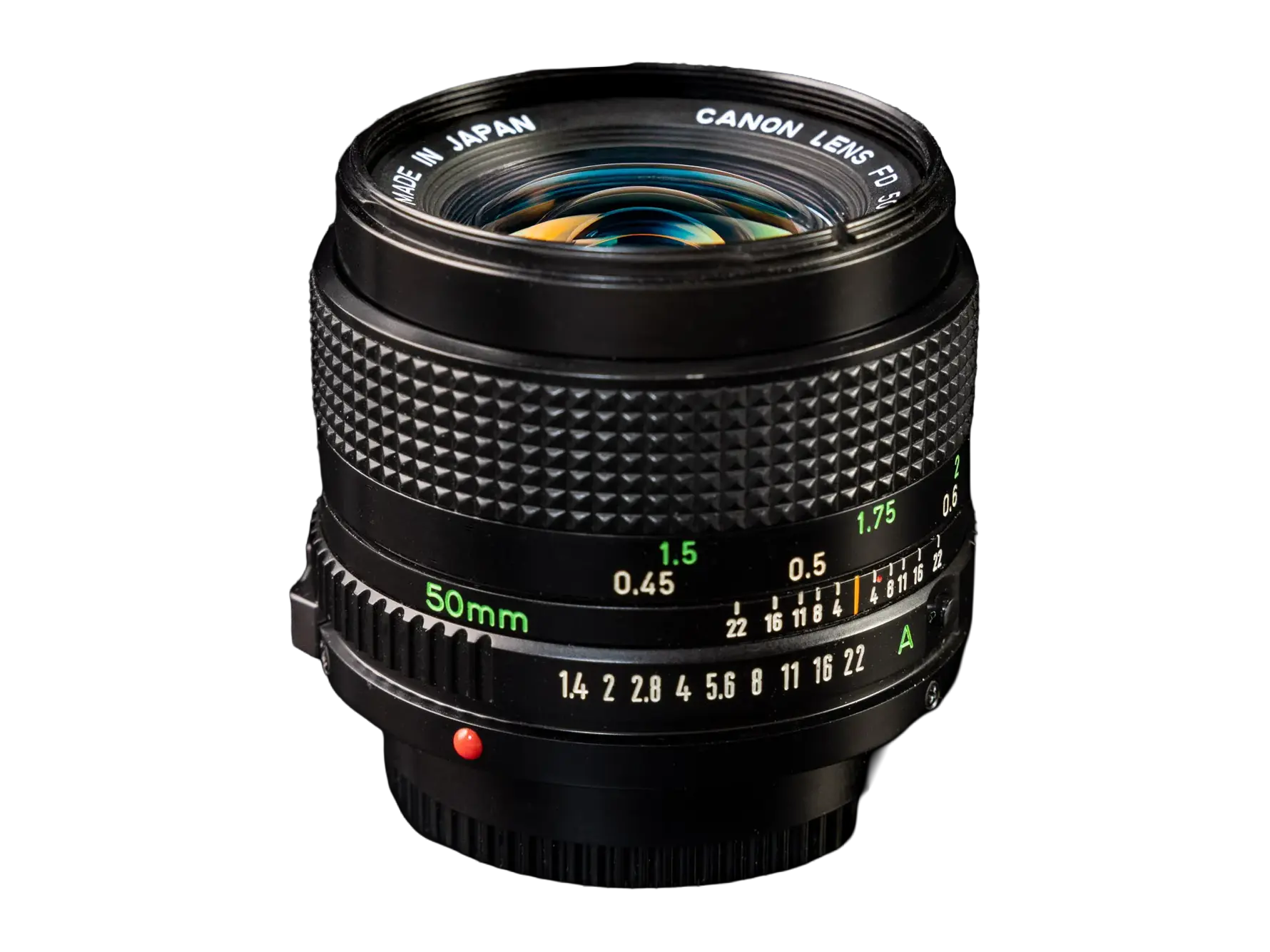
The Canon FD 50mm f/1.4 came into my life in 2012 while I was adapting old film lenses to modern digital bodies. I wanted a true manual lens: heavy metal construction, fully mechanical focus, and the classic f/1.4 look. Mounted on my Lumix GF3 with an adapter, every frame required manual focus and offered no shortcuts.
Even with its flaws, it was an important technical experience — a lens that slowed me down and shaped my early understanding of distance, manual focus, and optical behavior.
Using it was physical and fun. Turning the focus ring, watching clarity appear and disappear, and learning the behavior of shallow depth of field forced me to pay attention.
The Distorted Portrait
At close distances the lens could distort strongly. I asked my cousin to help me practice portraits, but he looked noticeably wider and rounder through it and refused to pose again. Beautiful bokeh could come at the cost of a natural likeness if I chose the wrong distance.
Old Engineering
The lens was heavy, solid, and built like a piece of old engineering. It was not convenient, but it taught me to think about distance and understand how manual optics truly behave.
Kodak Film Collection
35mm color film stock
Analog color practice
Material · patient · expressive
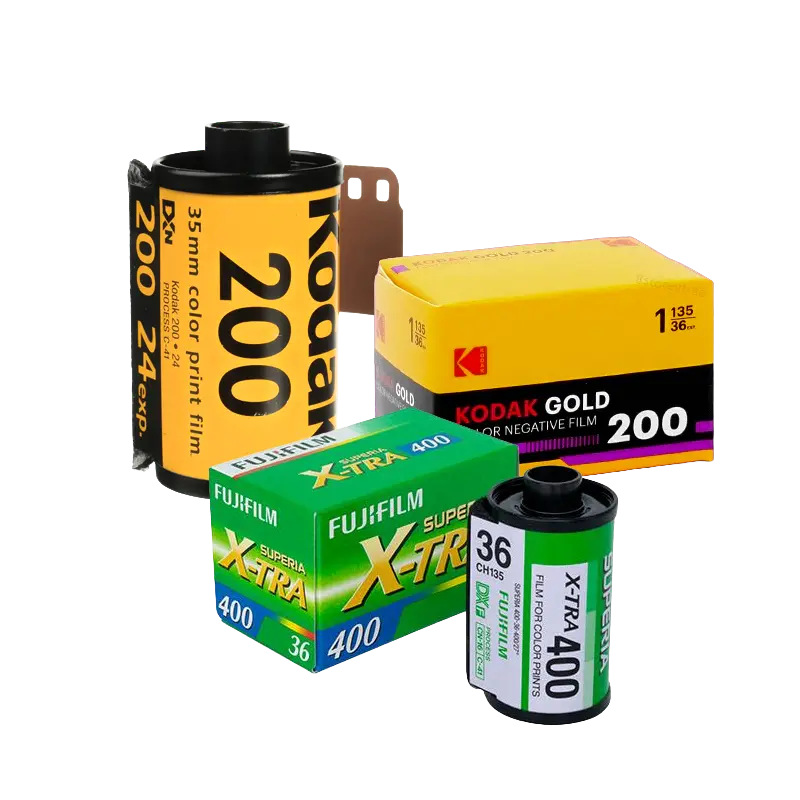
Kodak Gold 200 and Fujifilm X-tra 400 were the most common choices in the Chinese photography market from the 1990s into the early 2000s. They were available in photo shops, small markets, and almost anywhere consumer film was sold; nearly every family used them.
Most people, including me, preferred Kodak because its palette felt warmer and more comfortable. Fujifilm X-tra 400 was strong and practical, but its cooler look did not match every scene.
Kodak Gold 200 was always my first choice, even for the Olympus IS-20. It was reliable, easy to find, and gave daily life a natural warmth: softer skin tones, friendlier colors, and an overall mood I trusted.
The Second Option
When Kodak Gold 200 was unavailable, Fujifilm X-tra 400 became my second choice. Its higher ISO worked better in low light and indoors, but the rendering was cooler — greener, bluer, and more contrasty — without the same warm feeling as Kodak.
Lumix 10–200mm Lens
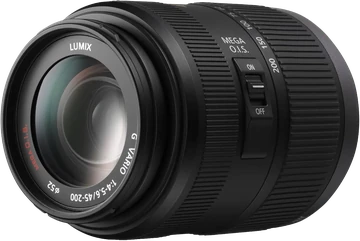
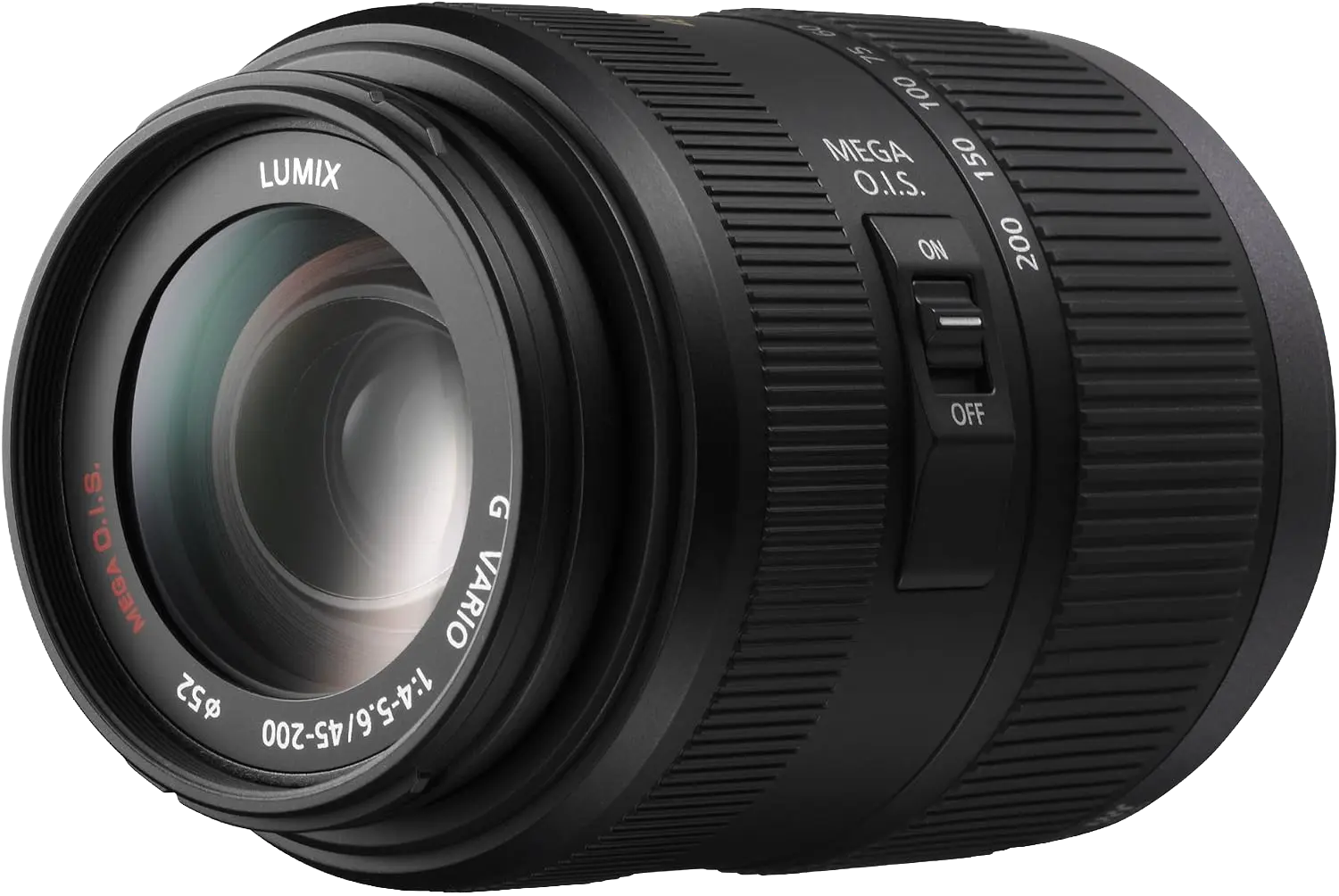
Extended-range zoom lens
Digital travel system
Versatile · mobile · far-reaching
The Lumix 10–200mm O.I.S. lens became my long-distance tool starting in 2012. Compared with larger lenses it felt light, easy to carry, and remarkably stable, while built-in Optical Image Stabilization kept distant photographs sharp and usable.
It was one of those rare moments where the equipment matched the situation perfectly: long reach, stable images, sharp results, and no need to stand at the waterline.
I used it mainly for beach photography. One extremely cold morning I stayed beside my friend’s Jeep rather than walking to the shoreline. The sky was still dark, but the sun was beginning to rise — a perfect moment that would last only minutes.
The Sunrise from Afar
I switched from my normal lens to the long Lumix without hesitation. Even from far back, O.I.S. kept the view steady and the zoom framed the sun exactly as I wanted. Some of my best beach photographs came from that morning.
Lumix 14mm f/2.5
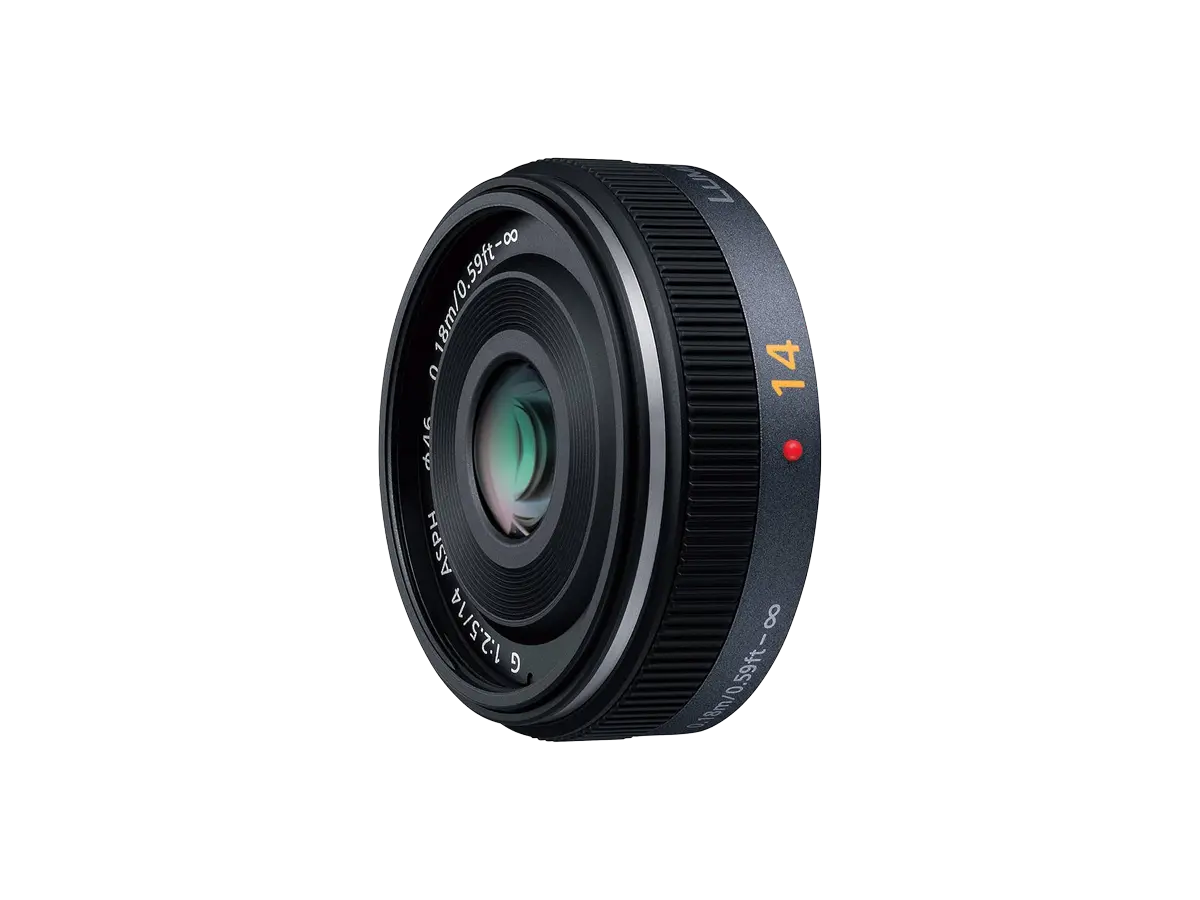
Compact wide-angle prime lens
Pocket mirrorless system
Slim · quick · observant
The Lumix 14mm f/2.5 became one of my most practical lenses. I needed something lightweight, compact, and easy to carry — a lens that made the whole camera compatible with everyday life. It was not dramatic, but it was extraordinarily useful.
Savannah streets in 2014 and Paris in 2016 were captured through this reliable perspective, including the unique photograph where LUCHEN turns the Arc de Triomphe into gold.
I mainly used it for street photography. The wide angle captured scenes quickly without constant stepping back or adjustment, while fast autofocus, almost invisible size, and low weight made the camera feel like a simple tool instead of a heavy machine.
Lumix 25mm f/1.7
Fast normal prime lens
Modern mirrorless optics
Bright · balanced · practical
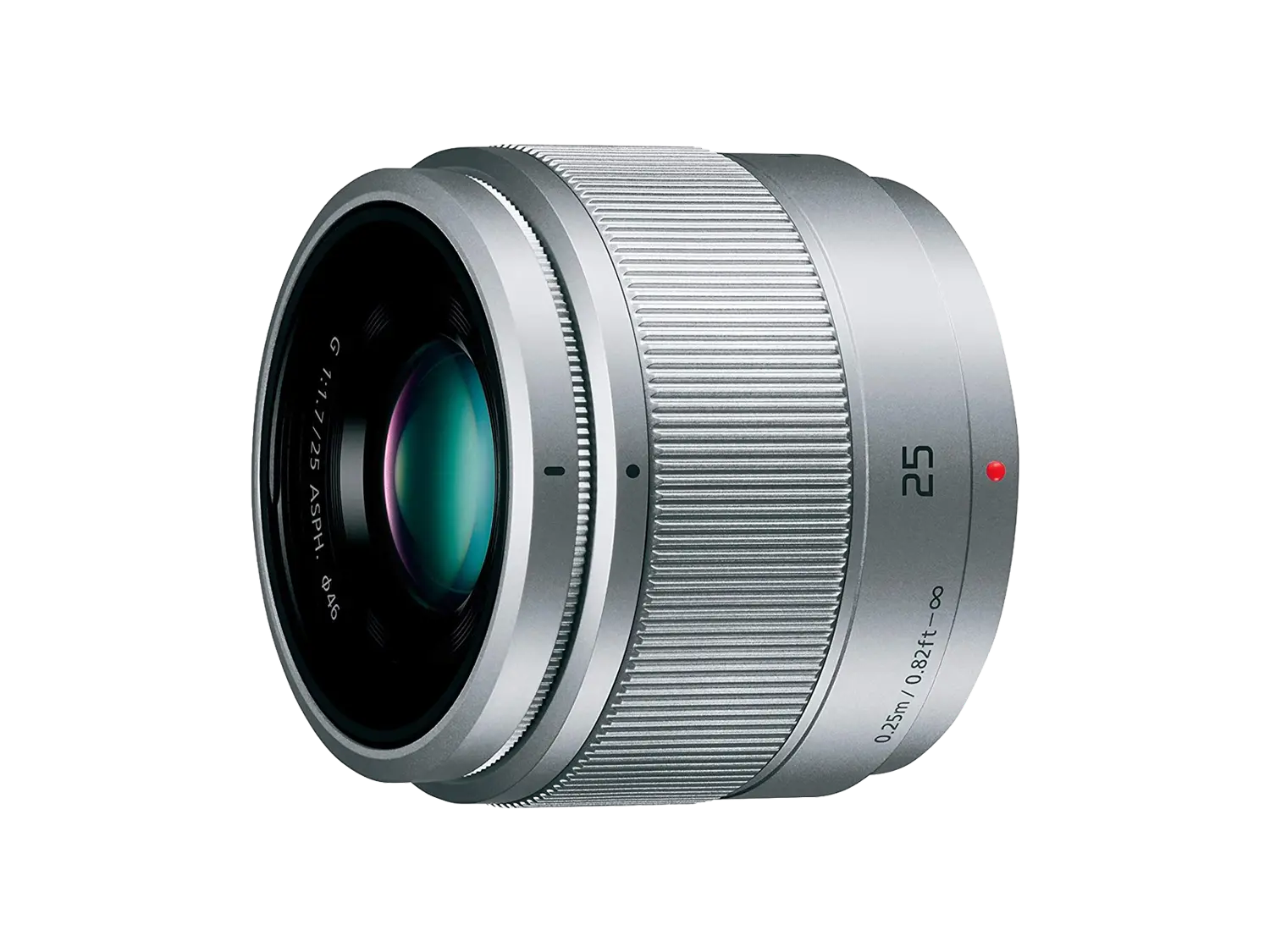
I originally bought the Lumix 25mm f/1.7 for portraits. I thought the aperture would be enough for good background blur, decent low-light performance, and a natural focal length for everyday portraiture. It was a practical choice, not an emotional one.
If spending a little more is not a concern, it becomes easy to skip: the Leica 25mm f/1.4 offers more character, color, and depth, while the similarly priced Sigma 30mm f/1.4 gives a stronger look and better low-light performance.
It became a solid working lens. Many SLR selfies made in Shanghai from 2017 to 2019, my website hero picture, and numerous website content photographs were created with it.
SD Memory Card
Removable digital storage
Portable digital archive
Tiny · essential · invisible
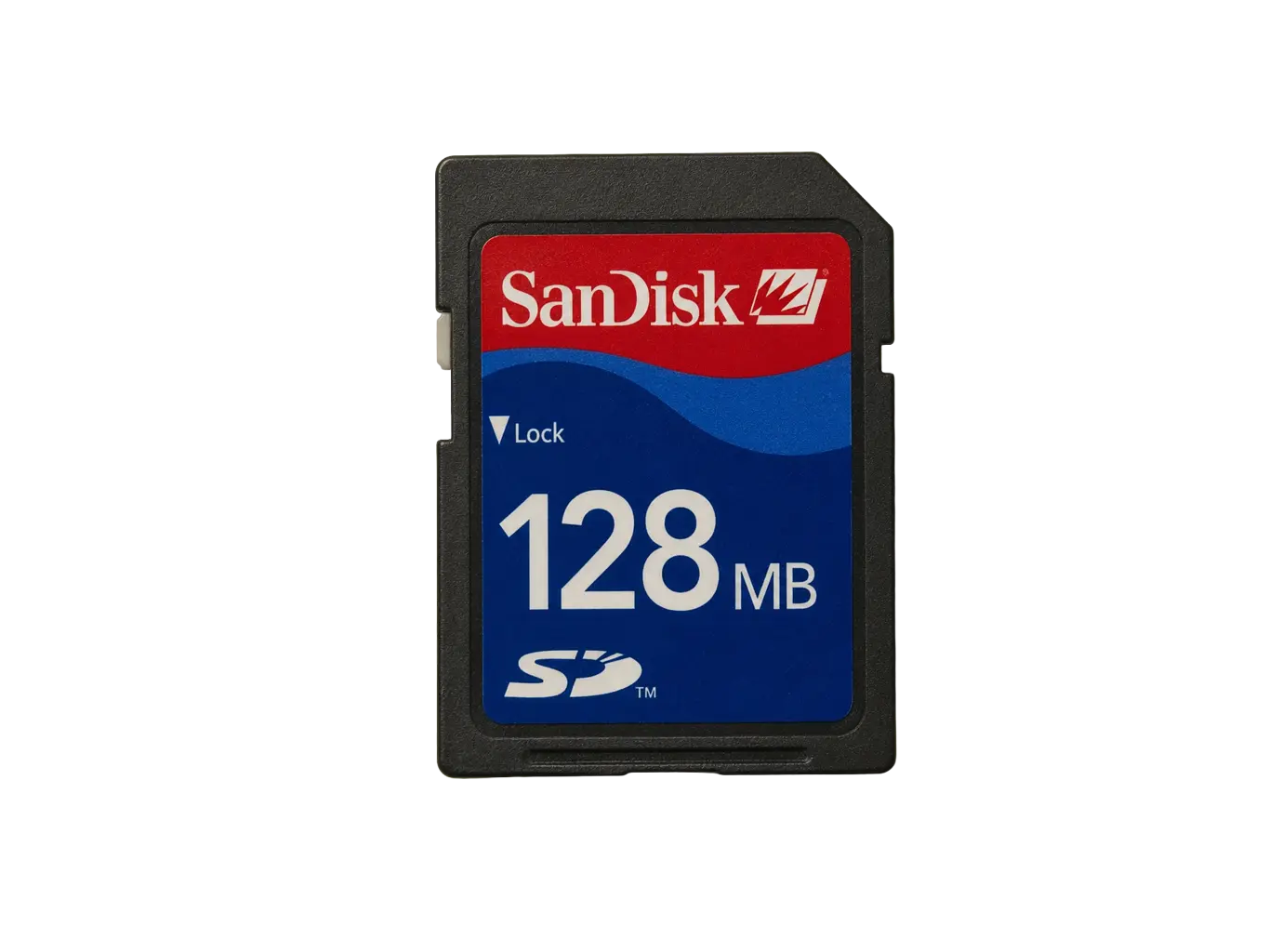
The SanDisk 128 MB SD card was the first memory card I used. It came bundled with my Kodak DX6490 during college. Today that capacity sounds impossibly small, but with cameras around four megapixels and much smaller files, it held a reasonable number of photographs.
There was basically one kind of SD card. You bought it, put it into the camera, and that was it.
At the time I knew nothing about memory cards, speed ratings, classes, or storage types. There were none of today’s complicated choices — SDHC, SDXC, UHS-I, UHS-II, and competing performance tiers.
Sigma 16mm Lens
Fast wide-angle prime lens
Contemporary mirrorless
Bold · cinematic · assured
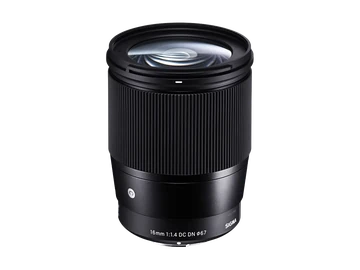
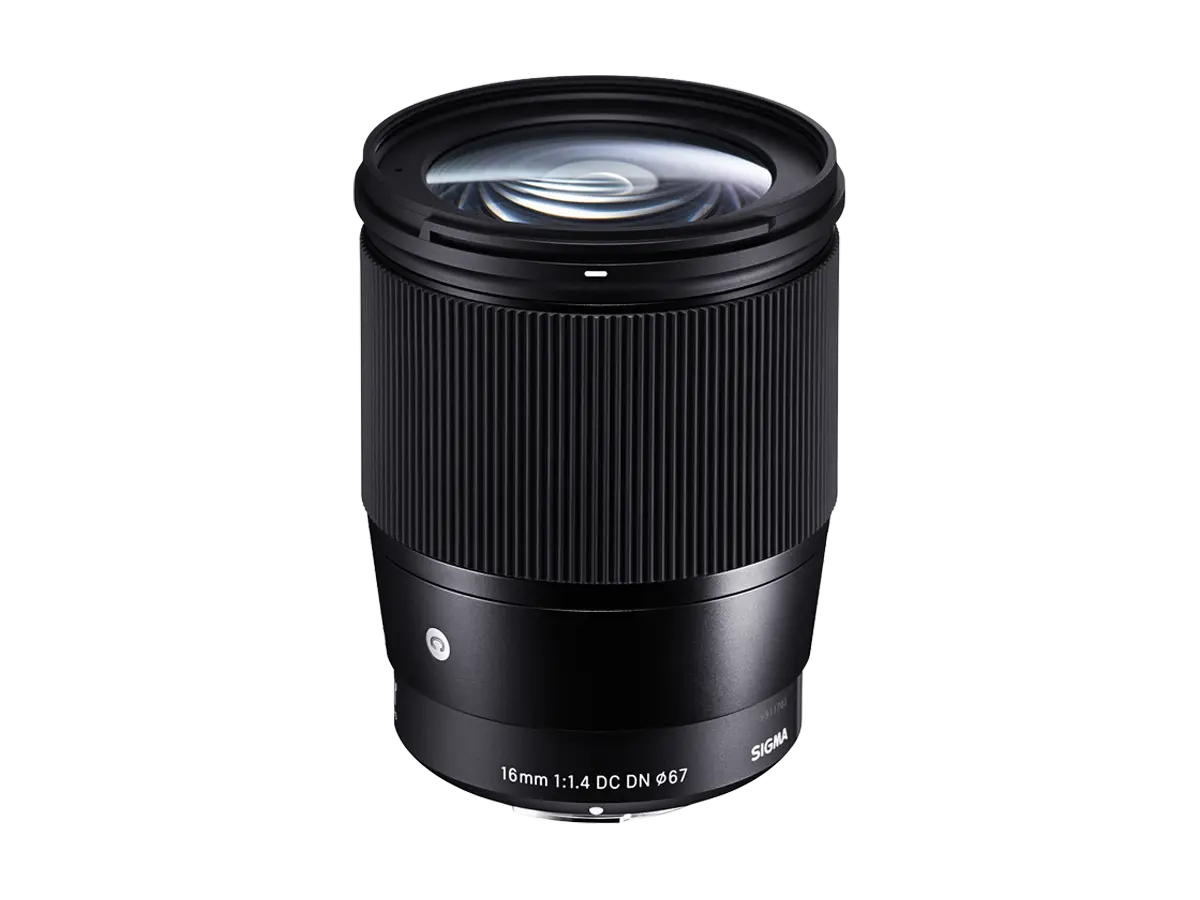
The Sigma 16mm f/1.4 entered my workflow together with the 30mm f/1.4. I needed a wide-angle prime that still offered strong background separation and professional sharpness. Its bright aperture made the wide view useful for portraits, events, and hero images.
People joke about my portraits and call them “Sigma Face.” The nickname captures how Sigma’s sharpness, contrast, and flattering rendering gave my photographs a recognizable style without my planning it.
I use it for event photography and selected portrait work. Many of the hero images that stand out immediately on my website came from this lens, with sharp detail, smooth falloff, and a clean modern look.
Difficult to Replace
For its price, the quality is remarkable. Sigma created a combination of wide perspective, speed, and rendering that remains difficult for other brands to replace in this category.
Sigma 30mm 1.4 Lens
Fast standard prime lens
Contemporary mirrorless
Clean · focused · versatile
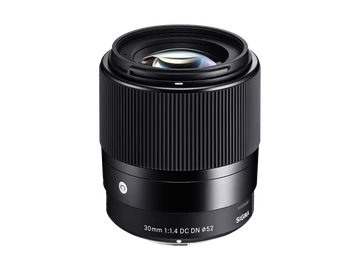
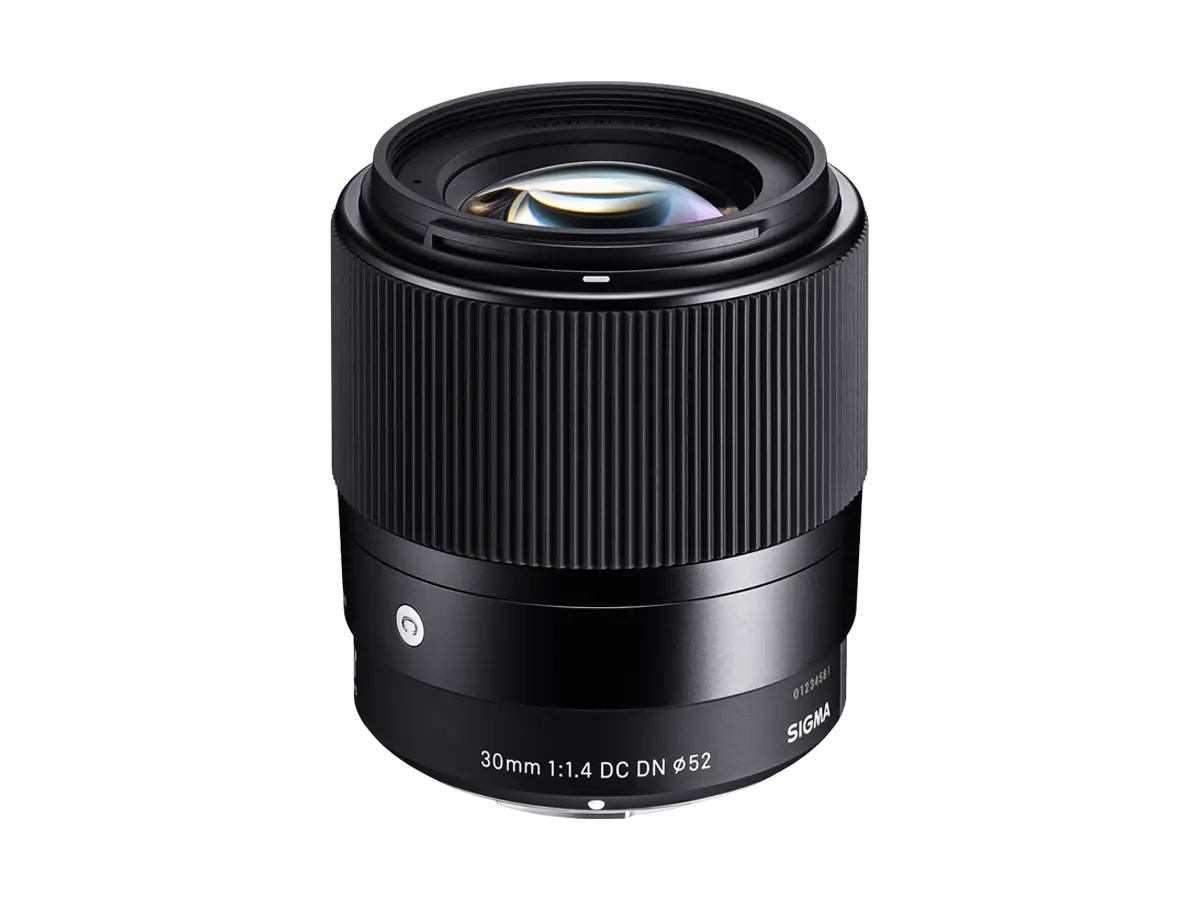
The Sigma 30mm f/1.4 is my current prime portrait lens. It replaced my older 30mm f/2.8, and the upgrade was immediately visible: creamier backgrounds, softer bokeh, stronger subject separation, and a more professional overall image.
It is reliable, consistent, and easy to use for both controlled setups and quick self-shooting.
I use it for many self-portraits and commercial photographs. Branding, social-media, and professional selfies remain extremely sharp while skin tones stay natural and the background falls away cleanly.
Cat Lady
The front cover photograph for my single album “Cat Lady” was made with this lens. It delivered exactly the portrait I wanted: a sharp subject, soft background, and natural presence. Many front-page photographs on my website came from it as well.
Sigma 30mm f/2.8
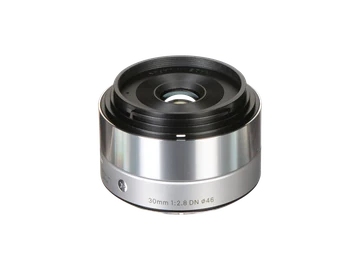
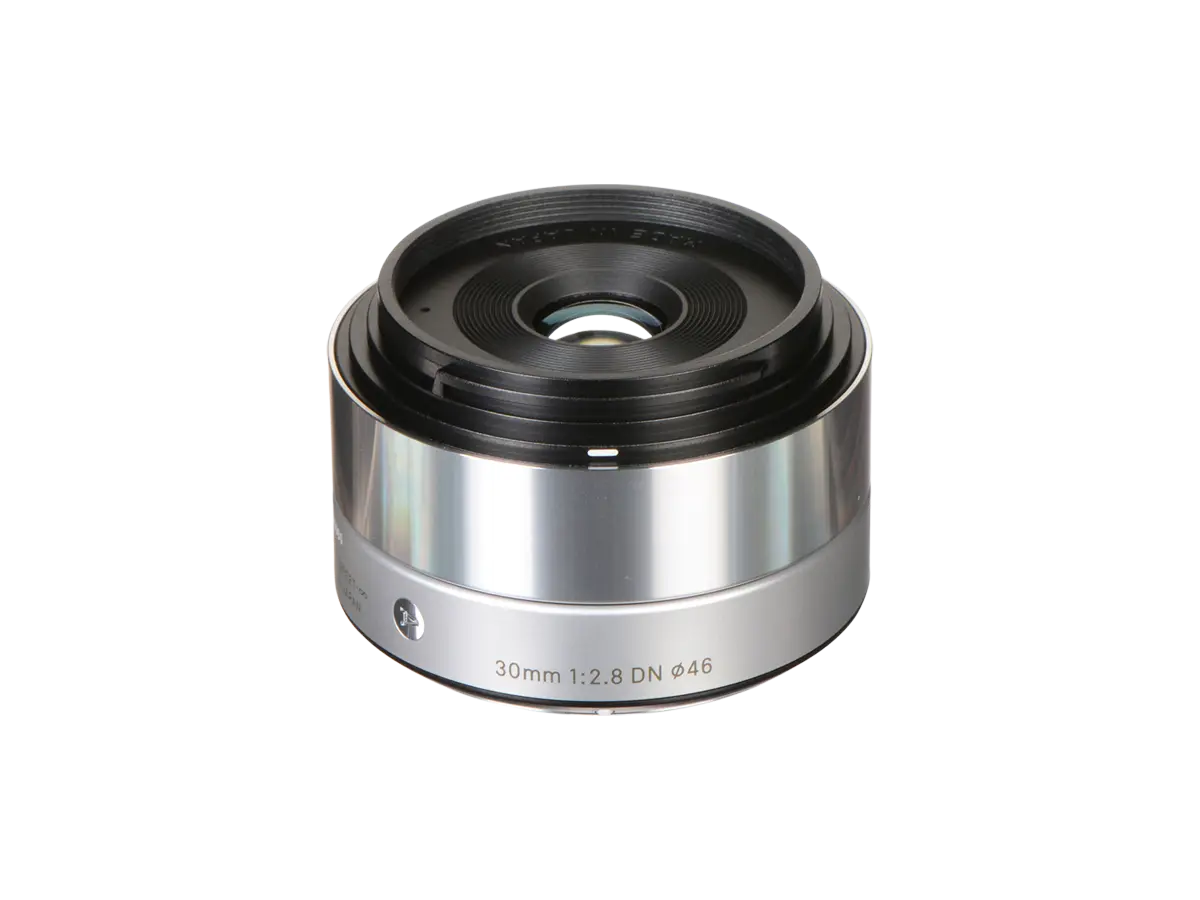
Compact standard prime lens
Lightweight mirrorless
Minimal · crisp · dependable
The Sigma 30mm f/2.8 became one of my all-purpose lenses. I used it in many situations because it was simple, reliable, and produced remarkably sharp images. Though it was not a fast f/1.4 lens, its optical performance was strong enough for work I proudly posted.
At a short working distance it produced strong bokeh and a nicely blurred background — not the same as a fast f/1.4, but more than enough for everyday portrait work.
One standout frame came from Savannah Airport, where lighting, angle, and sharpness aligned perfectly. Most people would never guess that such a clean, crisp, high-contrast photograph came from a modest f/2.8 lens.
Portraits at f/2.8
Although f/2.8 is not considered a classic portrait aperture, the lens still created convincing separation. Careful distance between camera, subject, and background mattered more than the number alone.
Panasonic Lumix FX7
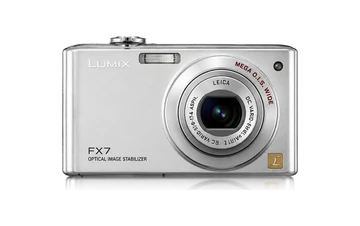
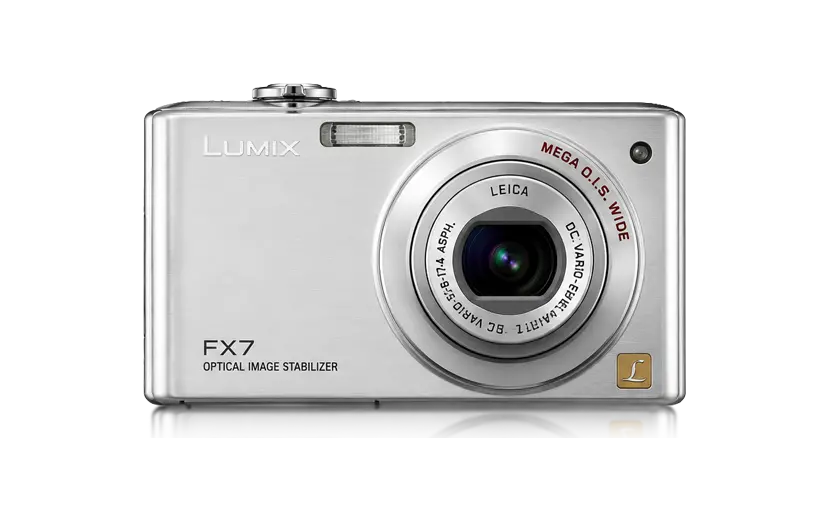
Ultra-compact digital camera
Pocket digital design
Polished · minimal · immediate
The Panasonic Lumix FX7 was not mine at first, but it became part of my story anyway. It was my mother’s camera, bought in 2006, and it carried her taste: fashionable, compact, beautifully designed, and easy to slip into a bag or pocket. It looked modern and unusually stylish for its time.
I remember simplicity, youth, and the way a small camera can quietly follow you through years of change, recording moments you did not yet know would matter.
I carried it into pieces of my life that feel distant now: a classmates’ reunion, faces I had not seen in years, and my TOEFL study life in 2009. It made clean, honest images — snapshots of who I was rather than what I was trying to achieve.
A Camera Without Pressure
The FX7 was slim, fashionable, and easy to use. It demanded no settings, pressure, or complexity; I could simply pick it up and shoot. That freedom is why I loved taking it everywhere.
Across the World
It was the kind of camera that could travel across the world without making you think twice. Its importance lives less in specifications than in the effortless continuity of the life it recorded.
Huawei Mate 20 Pro
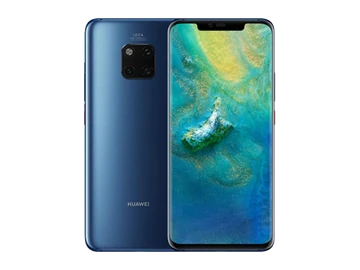
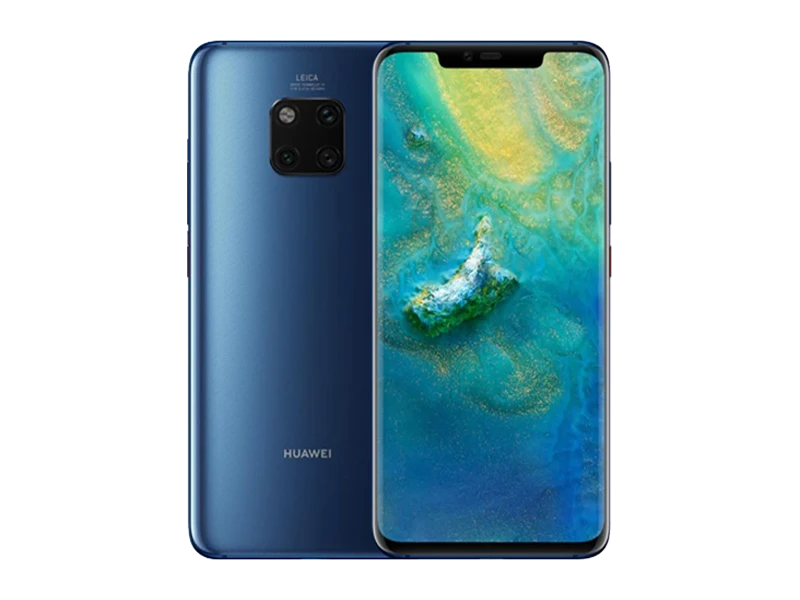
Computational multi-camera phone
Mobile imaging convergence
Connected · intelligent · immediate
The Huawei Mate 20 Pro sits in my memory like a revelation — the moment I realized a phone could step into the role of a camera, not as a compromise but as a genuine companion. I chose it for one reason: its large sensor, almost touching the one-inch threshold, and what that much surface area could mean for low-light photography.
The Mate 20 Pro was the camera that traveled with me when I needed simplicity, speed, and trust — a phone that became a photographer’s companion and earned its place in my story.
When preparing to travel to India, I made a decision that felt strange: I left my camera behind and took only the Mate 20 Pro. I expected convenience and casual images, but over thirty days it became a partner and witness that kept surprising me each time I pressed the shutter.
Astonishing Moments
The clarity, depth, and low-light confidence felt almost like cheating. The sensor was big enough to breathe and hold shadows without fear, delivering moments I still cannot believe came from a phone.
A Rig in the Pocket
Multiple lenses let me shift instantly between wide, normal, and portrait views. It felt like carrying a tiny multi-camera rig in my pocket. For a photographer, convenience is often the enemy of quality; here, convenience became power.
Creation Without Friction
Shoot, open the grading app, and share: no SD cards, laptop, or extended workflow. Just creation. The $1,000 phone stayed with me for three years of reliability and unexpected excellence.
A Quiet Technological Leap
Sometimes technology leaps forward quietly, and you notice only while standing in a foreign country before a moment you will never see again — when a phone delivers a frame that feels like a full-frame camera in disguise.