When Visual Effects meets Contemporary Art

To Begin With


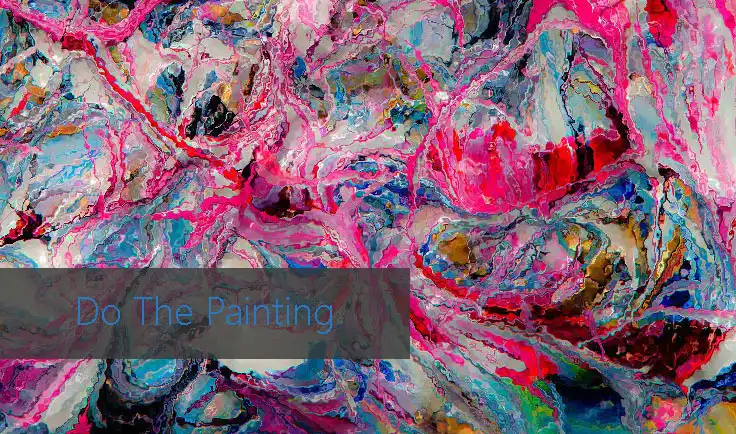
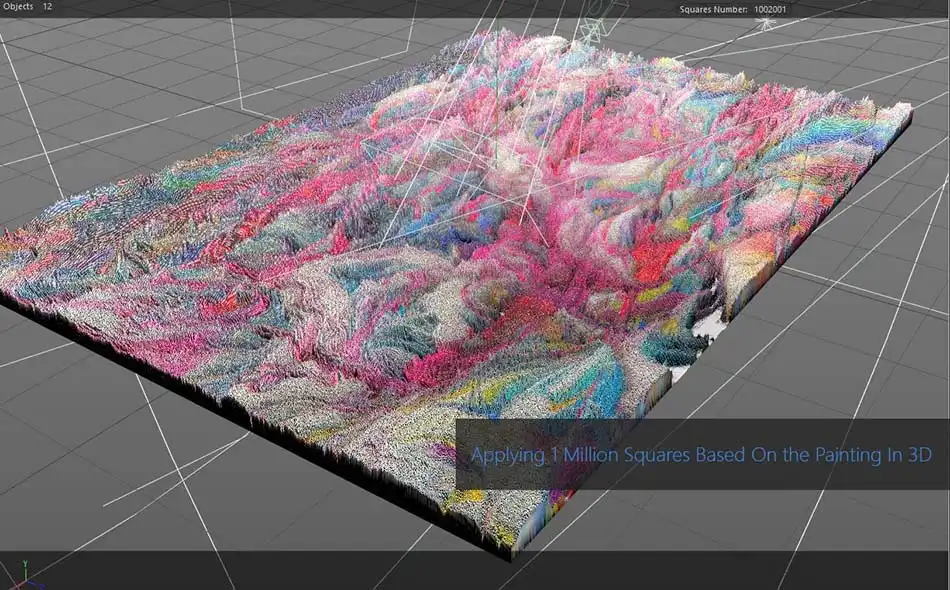
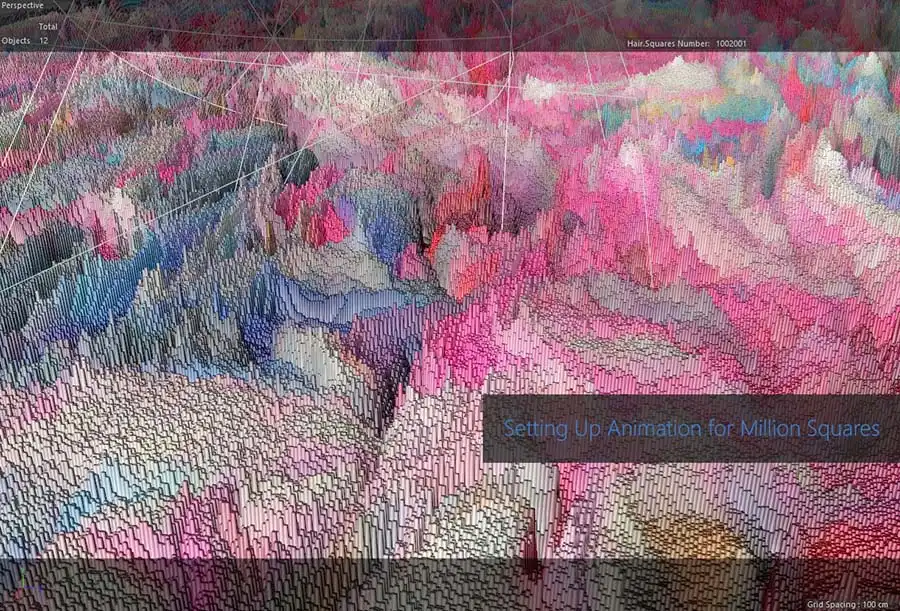
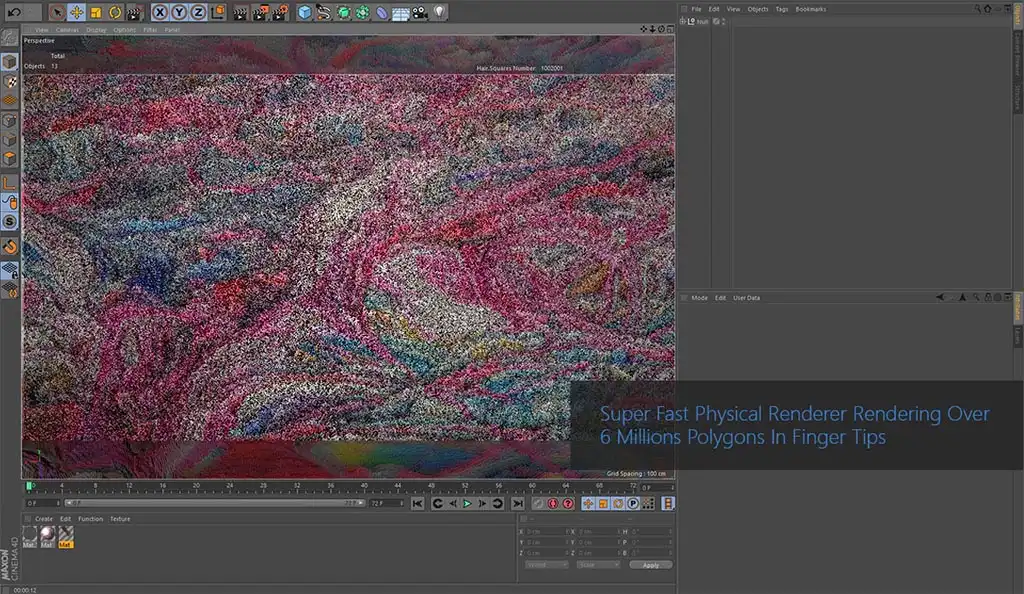
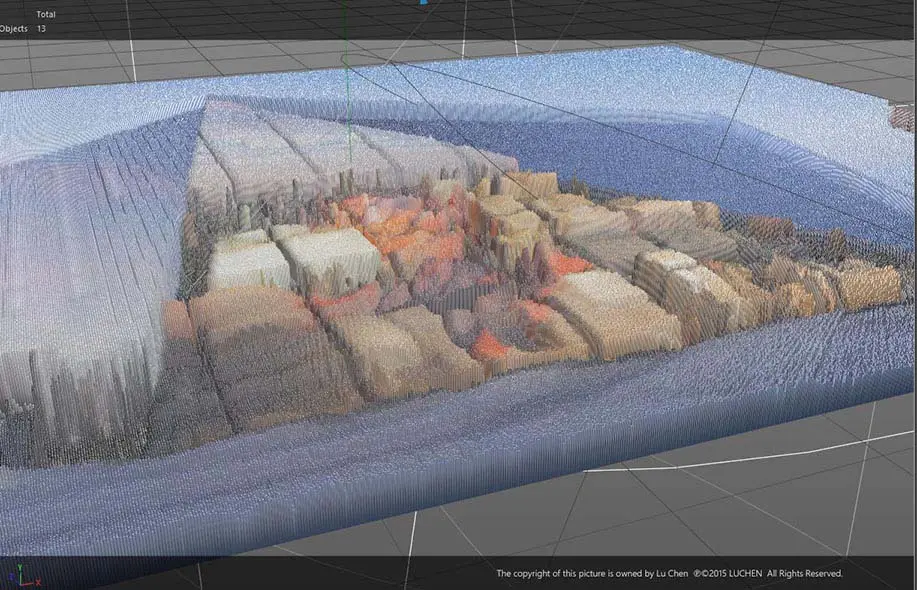
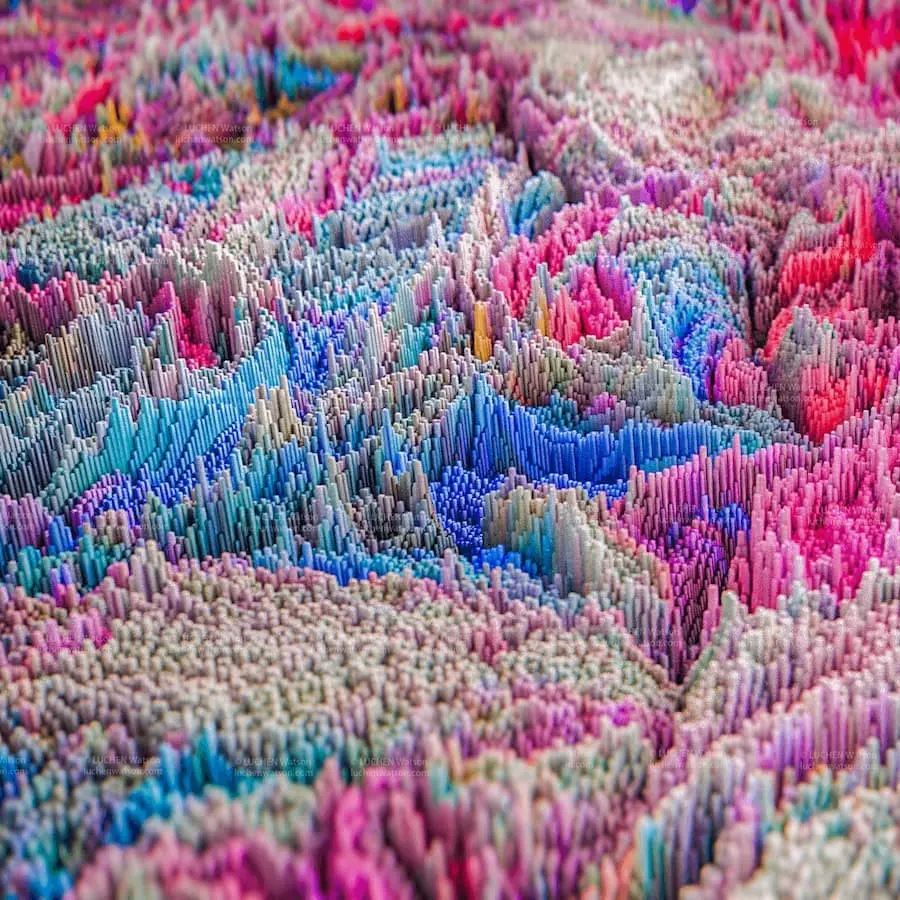
3D installation is where digital space becomes a physical encounter — a place where geometry, motion, and light form an environment you can step into. I work in this medium because images alone can’t hold the scale of what I want to express; the ideas need depth, structure, and movement. They need to surround you. After years in 3D, I’ve learned how to command a million squares and more than eleven million polygons, shaping complexity into something that feels alive — even when I’m building it from a laptop.

SIGGRAPH chose this work because it pushes the medium forward. It doesn’t treat technology as a tool, but as a language — one that can carry emotion, architecture, and computation in the same breath. The installation shows how digital density can become human experience, how impossible simulations can turn into spaces that move, breathe, and speak. That’s the reason this piece stands out, and the reason it belongs on an international stage.
LUCHEN Watson + AA30001
img01

The Stream


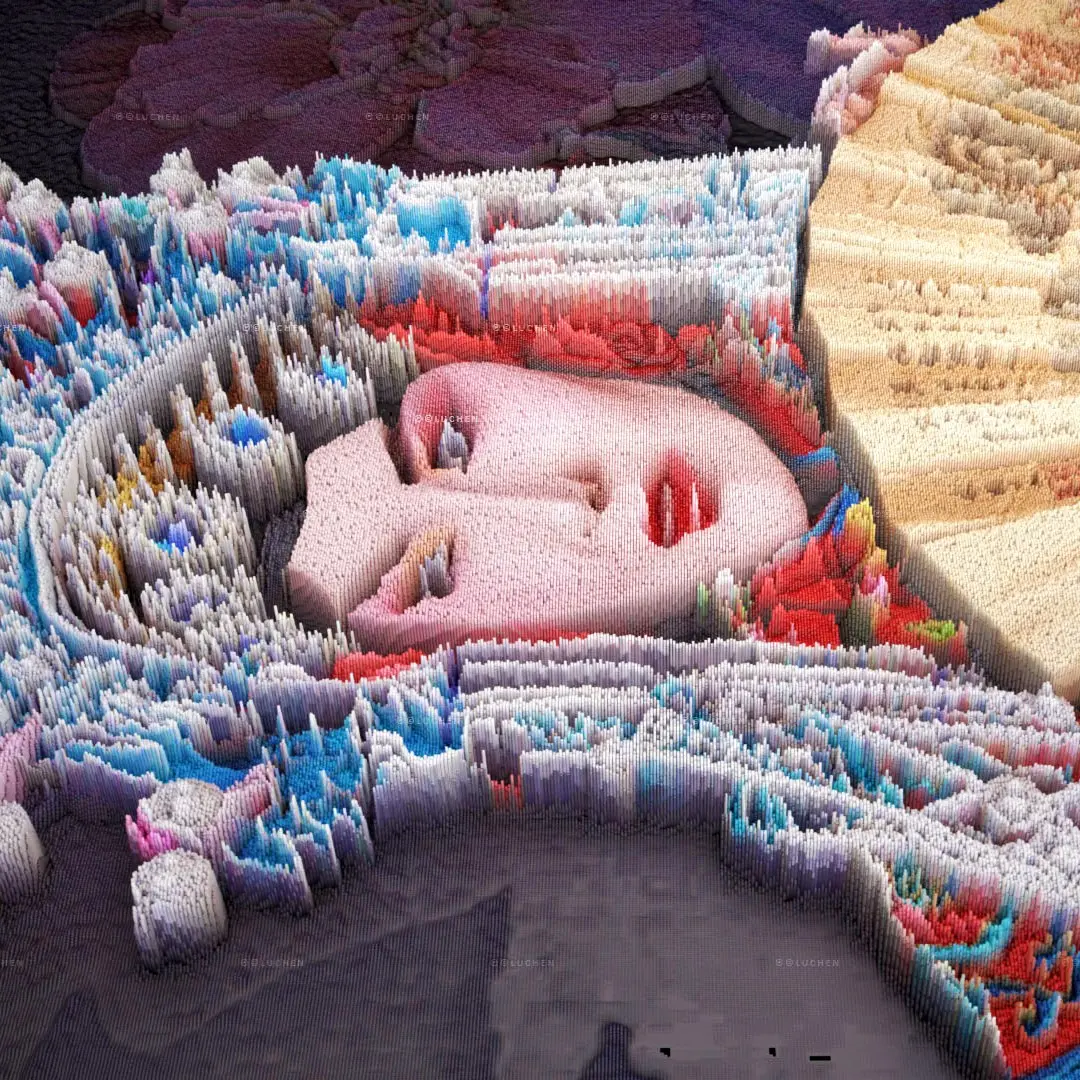
Lu sees visual effects not as a tool for spectacle, but as a universal language — one that can move beyond screens and enter the physical world. That belief is what led him to bring VFX into 3D installation art, a contemporary form that has grown into one of the most important artistic mediums of the last decades. For him, installation is a way to let digital motion breathe in real space, to let geometry become presence, and to let audiences step inside an emotion instead of simply watching it.

He works in this medium to prove something simple but radical: visual effects can be serious. They can slow people down. They can make people think. They can belong in museums, not just on devices. And Lu can do this because he has spent years mastering how to turn complexity into clarity — how to make millions of polygons behave like a single thought. That’s why SIGGRAPH chose his work: it expands what VFX can be, showing that digital art is not only entertainment, but a space for reflection, depth, and human experience.

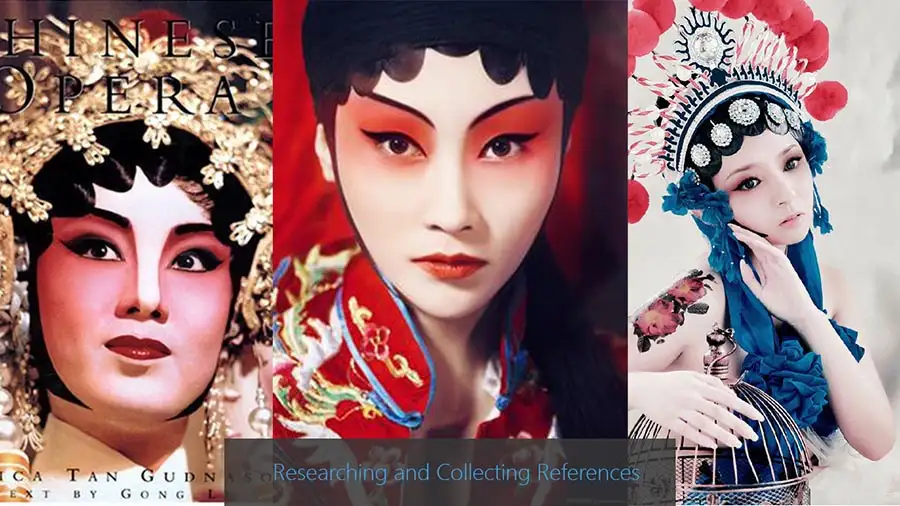
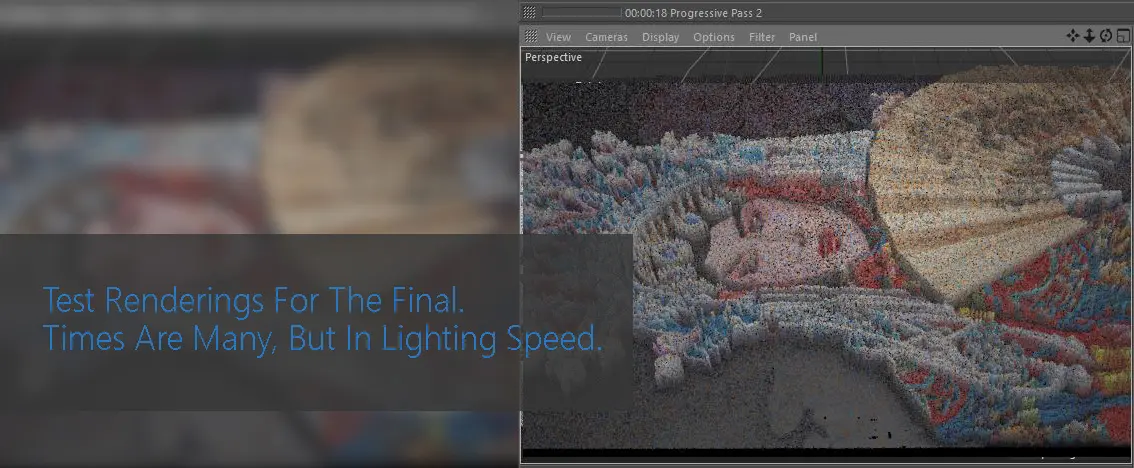
Chinese Opera Makeup


Yes, Lu did it. By merging the depth of Chinese traditional art with the precision of modern digital technology, he created a work that breaks past the boundaries of heritage and steps directly into contemporary reality. It is not nostalgia and it is not imitation — it is a living bridge between civilizations, a form that carries the weight of history while speaking in the language of the future.


“China holds five thousand years of brilliance, but the long interruption from 1745 to 1979 fractured its artistic continuity. Today the country is rising again, yet its cultural confidence still sleeps. I want to show them how to lift it — not by repeating the past, but by transforming it. If I can use my own hands to push Chinese aesthetics into a new era, then this small step for me becomes a larger step for what the world art can become.”   
--  LUCHEN Watson

img01
LUCHEN Watson + bkd0 LUCHEN Watson + COMp1 LUCHEN Watson + bkd2
LUCHEN Watson + bkd1 LUCHEN Watson + bkd4 LUCHEN Watson + COMp4
img01

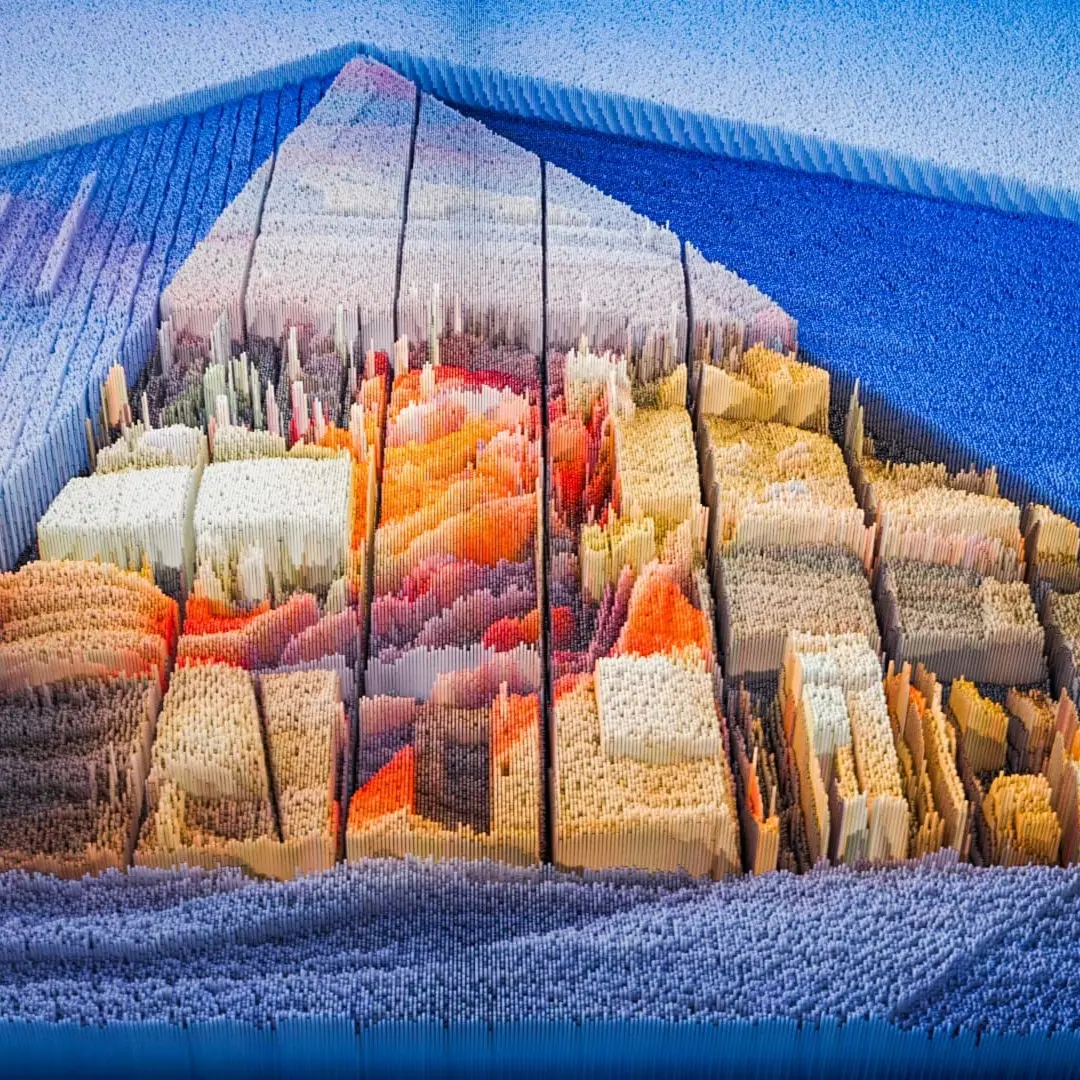
Blue Museum


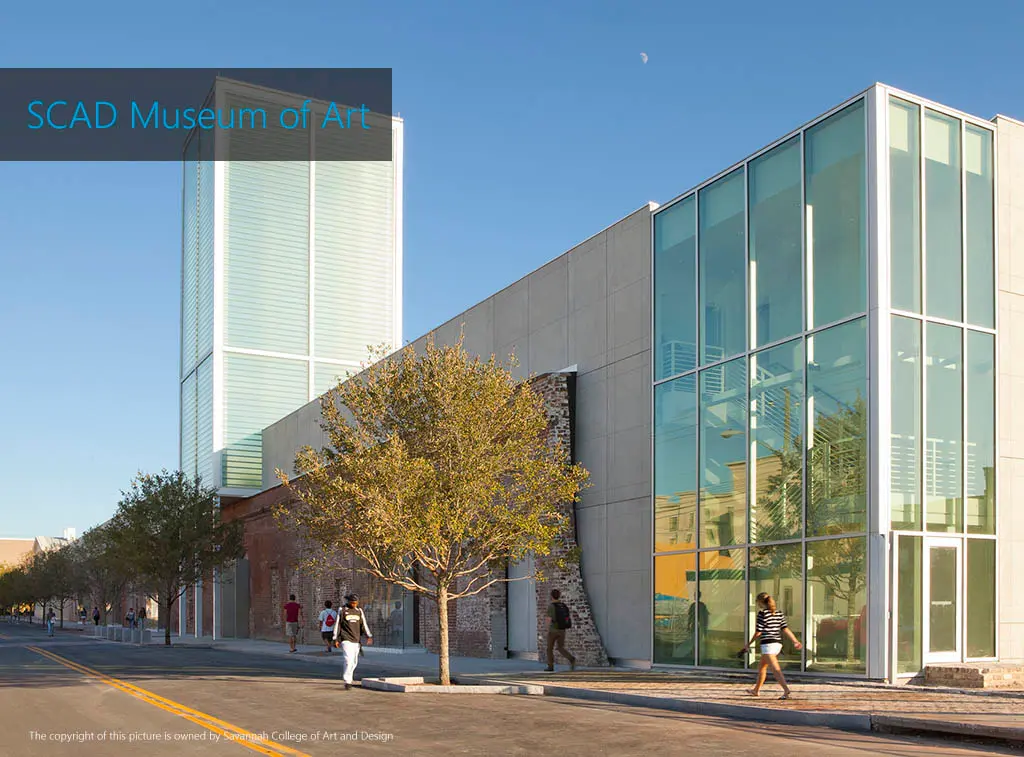
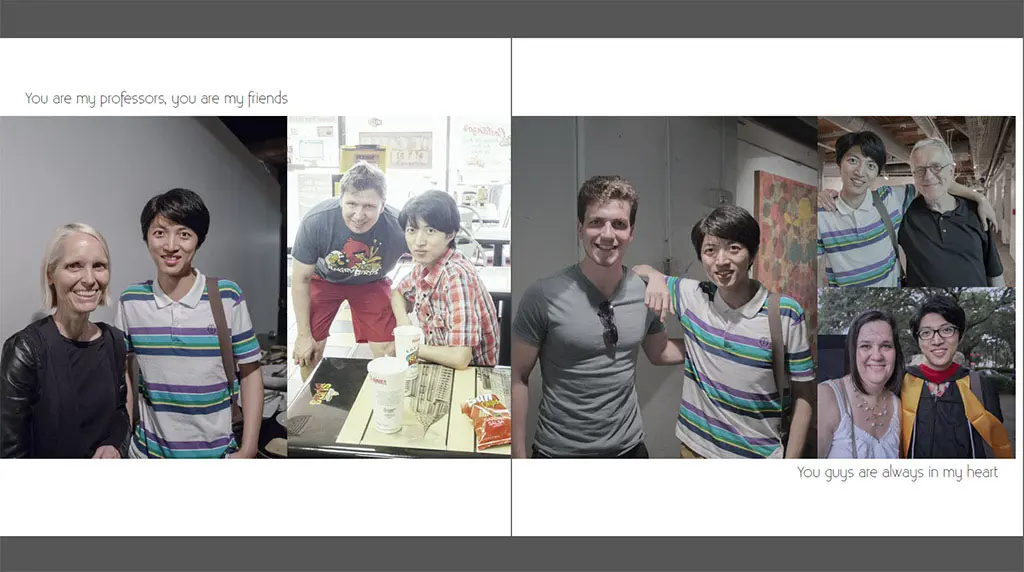
In Savannah, one of the things that struck me most was the presence of so many museums and churches — each one standing quietly, yet carrying its own history and soul. During my time in the ESL program, guided by professors Rexanna K. Lester, Harriet Speer, Elizabeth Lietzau‑Kluetsch, and Christina, we visited places like the Telfair Museum of Art, the Savannah History Museum, and of course, the award‑winning SCAD Museum of Art Those visits shaped me. I wasn’t just learning or observing; I was forming a relationship with these spaces.

Even now, when I think of museums, they are the first to greet me in my mind. They became companions, almost like old friends who said “hi” every time I walked through their doors. A part of me stayed in those rooms — and a part of those rooms stayed in me.

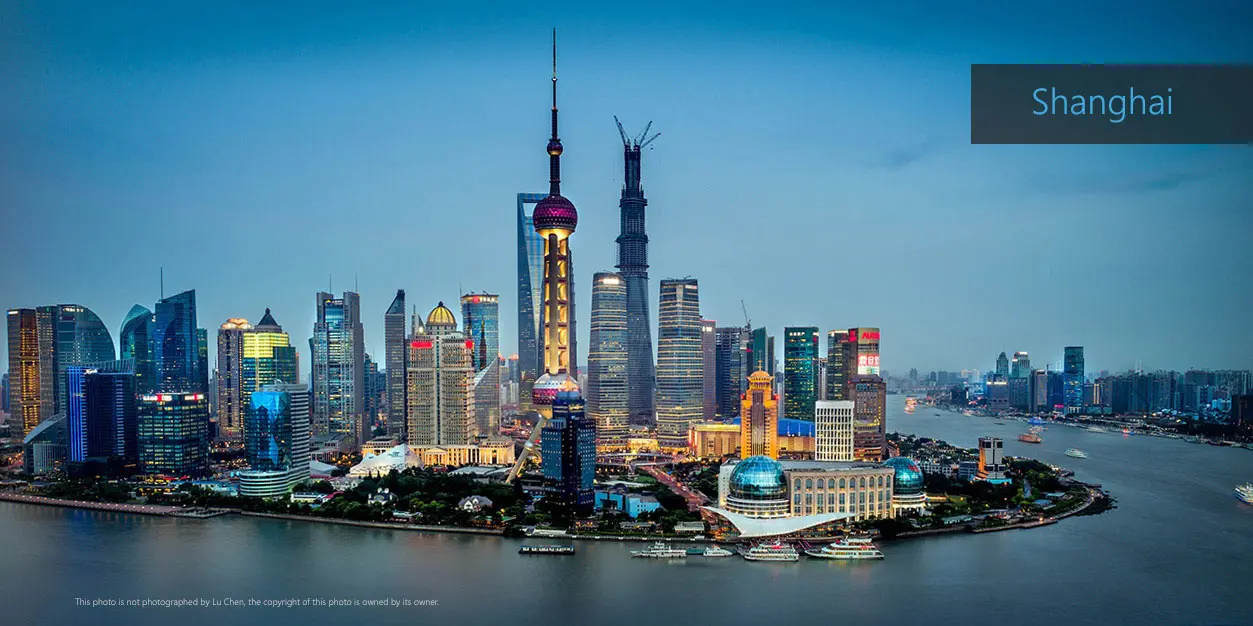
After The Rain, Shanghai


Shanghai is a magic city — not because it resembles New York, but because it reflects what New York once represented: possibility, ambition, and the feeling that the future is being built in real time. If you’re Chinese, Shanghai feels like home, ancient and modern in the same breath. If you’re from the West, it feels strangely familiar, as if the city already knows you. And if you ever wished you had stood in Manhattan’s canyon of towers, Lujiazui will answer that desire the moment you look up.

This is the magic city — a crossroads of civilizations, a future‑facing metropolis that carries the confidence of a new era. The next New York, the next chapter of what New York symbolized. A new global stage, a new cultural engine, a new center of gravity that is what makes New York New York. The mirror doesn’t imitate; it reveals the future.

img01
LUCHEN Watson + SCADMuseumExterior_01 LUCHEN Watson + Oriental-Pearl-04 LUCHEN Watson + musuembk
LUCHEN Watson + montybk LUCHEN Watson + montymemo LUCHEN Watson + MontgomeryHall
img01

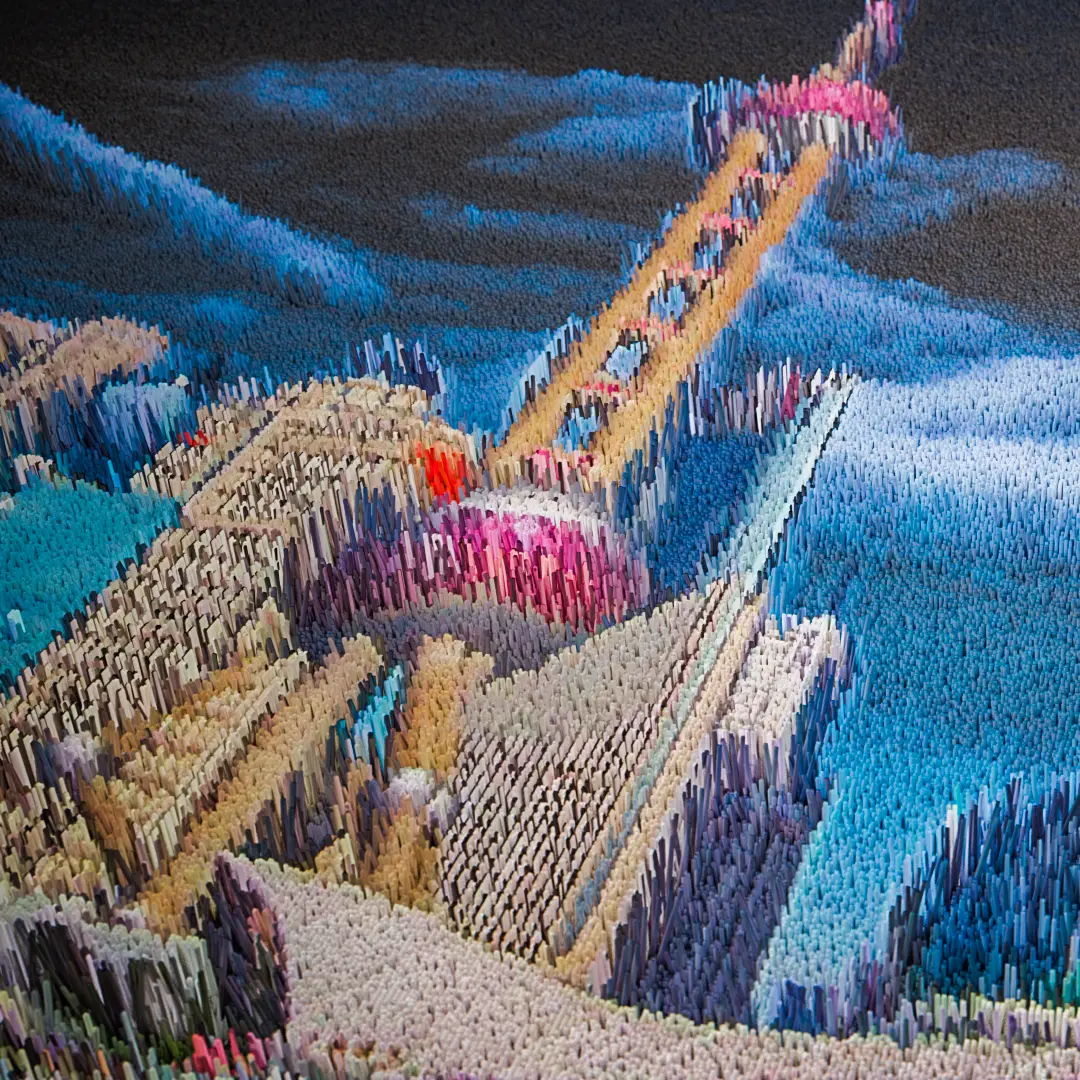
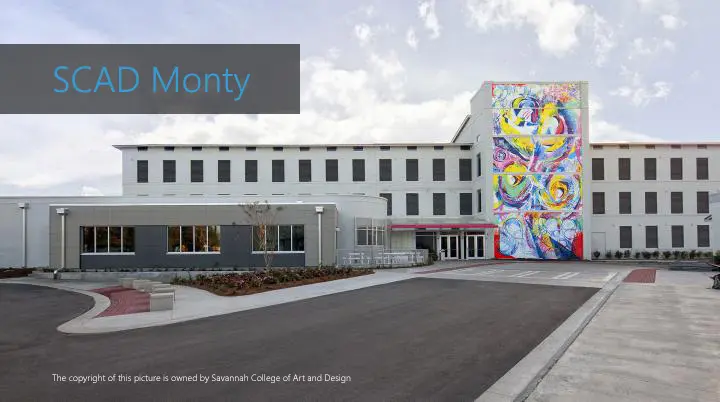
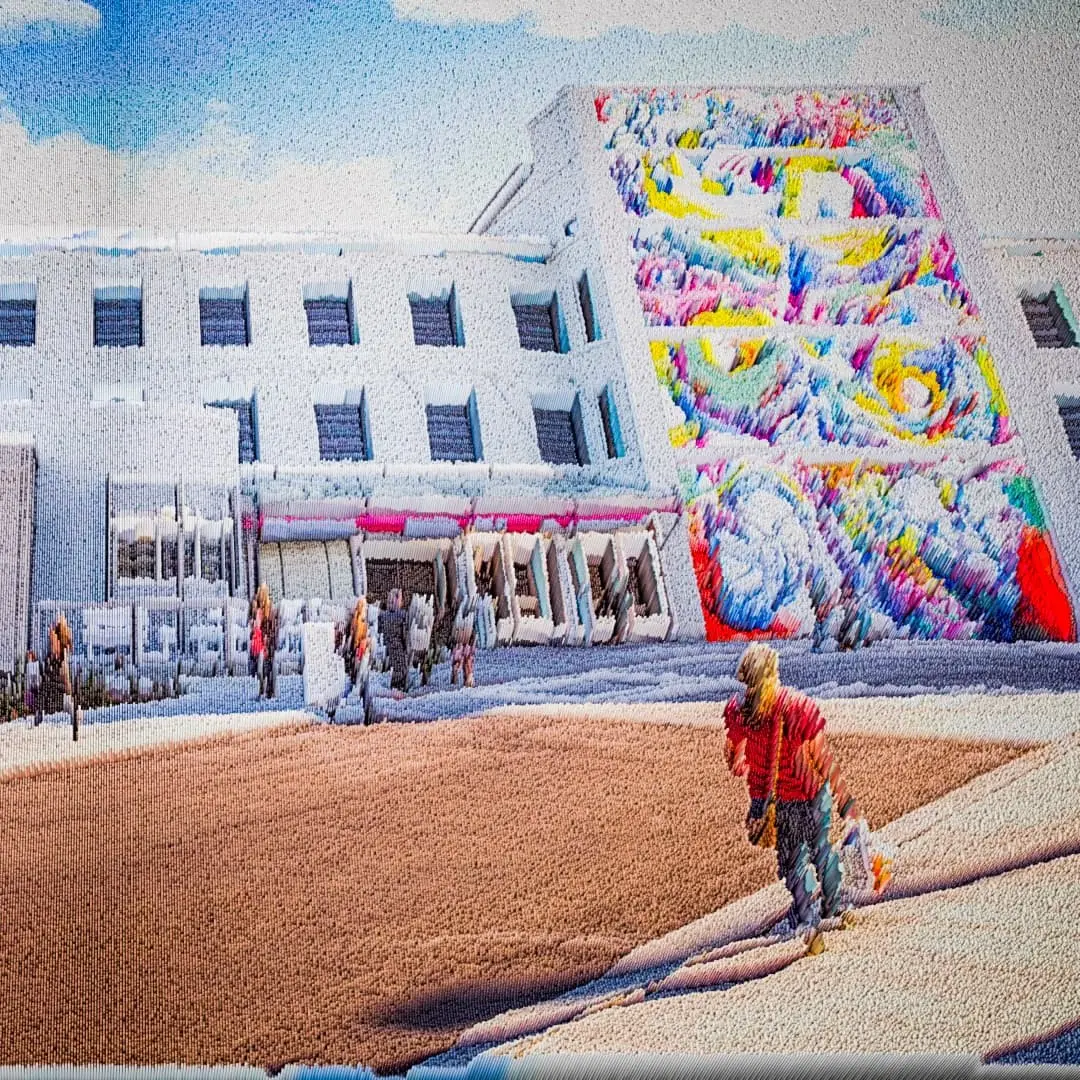
Monty, SCAD


I spent five years there, and it felt like reading a book with endless hidden chapters. Every hallway, every corner carried its own untold story — each one a different color, a different mood, a different version of me.

Some days it felt like a cell with no windows and no terrace, where time stopped and the sky disappeared. I couldn’t tell if it was day or night. I only knew I was alone, learning how to grow inside a space that didn’t move.

But it was also my wonderland. I was always waiting for a girl's coming, her face, her smiling, her laughing, her angers, her tears — all of those making a sequence of images, living and breaking down, rebuilding and constructing myself in the same place, where I was never left.

That was Monty. That was SCAD. A place that held me, tested me, and became part of my memory in a way I’ll never shake off.

This content was originally made in 2014 and remixed in 2026.   ℗ © 2014 -  LUCHEN Watson LLC.   All Rights Reserved.