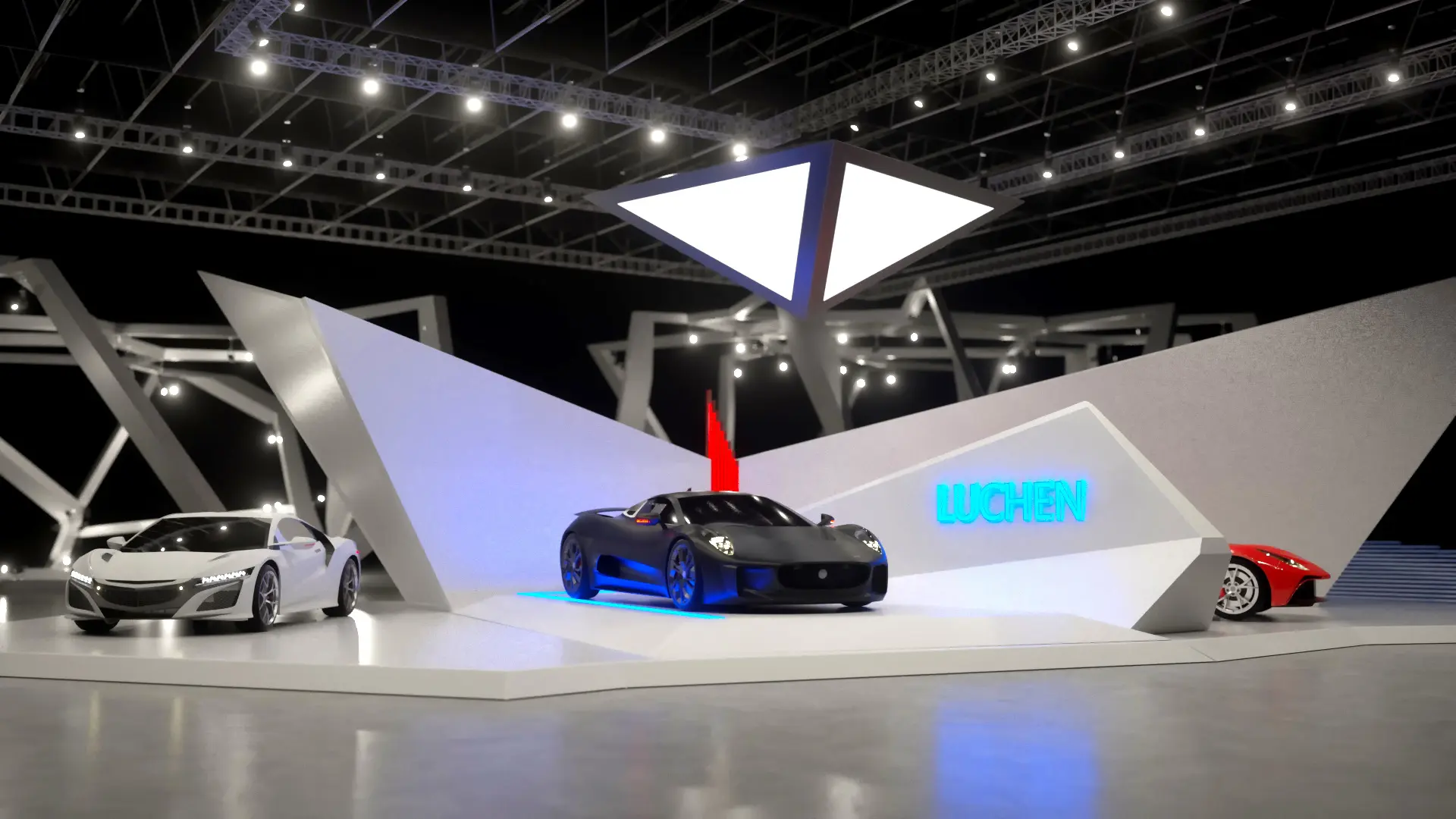


Ibegan my visual‑effects journey in 2007, which was after I made my music happen, sitting in a small room in China with nothing but a bed, a premium PC and a stubborn belief that I could teach myself how to create worlds. My first tools were LightWave 3D and Cinema 4D, both of which I learned entirely on my own through scattered online forums, very few books, and hours of trial‑and‑error. There were no mentors, no industry community around me, no roadmap — just curiosity and the thrill of watching polygons turn into something alive. Those early years shaped the core of who I am as an artist: self‑driven, experimental, and unafraid to break things until they finally work.
 Fig 01:LUCHEN WATSON EARLY LIFE RE-CONSTRUCTIVE IMAGE.
That evolution led me to Pixomondo, the Oscar‑winning VFX studio known for its work on Avengers: Infinity War, The Jungle Book, and countless global productions. I joined the Shanghai branch as a VFX artist, stepping into a world where precision and speed were non‑negotiable. Working closely with Executive Director Aslan Mulick, I became one of the creative hands executing his vision — producing shots that demanded pixel‑level accuracy, physically correct lighting, and cinematic realism.
Years later, I took that self‑taught foundation and rebuilt it from the ground up at the Savannah College of Art and Design (SCAD), where I finally received the systematic, high‑level training I had always wanted. At SCAD, I studied under two Oscar‑winning professors whose guidance fundamentally changed my understanding of visual effects. They taught not only technique, but discipline — how to think like a game changer, how to critique like a supervisor, how to build shots that hold up under scrutiny. Their mentorship sharpened my instincts and pushed me to evolve from an enthusiast into an industrial legend.
 Fig 02: LUCHEN WATSON EARLY CAREERS RE-CONSTRUCTIVE IMAGE.
To bridge the gap between complex architectural geometry and automation, I authored the **Pagoda Maker** tool using Python inside Autodesk Maya. This tool streamlines programmatic asset iteration, computing algorithmic panel layouts effortlessly across massive visual landscapes while adhering to hyper-precise physical constraints.
After Pixomondo, my career expanded into a different but equally demanding arena: Transsion Holding, one of the world’s top smartphone manufacturers. There, I served as a Creative Lead and Visual Director, building high‑end product visuals, recreating the brand visuals, and defining imagery for global markets. This role pushed me beyond pure VFX into a hybrid space of design, storytelling, and technology.
This dual focus manifests clearly when syncing my visual effects assets with my musical compositions. Producing within the **insta-pop** genre inside FL Studio, I utilize high-end mastering hardware chains including Audient interfaces alongside SPL, Brainworx, and Weiss processors to output incredibly clean acoustic balances.
By routing discrete audio frequencies out of the DAW and translating them directly into Redshift shading nodes, ambient illumination values respond dynamically to transient spikes. The result is a completely integrated multi-disciplinary workflow where layout geometry and sound fields share a unified technical vocabulary.
I developed a tool called Dynacar, designed to generate a highly realistic, real-time vehicle behavior simulator inside Cinema 4D. I originally created this tool in 2014, and it was later featured in our projects. Dynacar is powered by the Bullet Dynamics algorithm, a widely adopted physics system used across many game engines to simulate authentic motion and interaction.
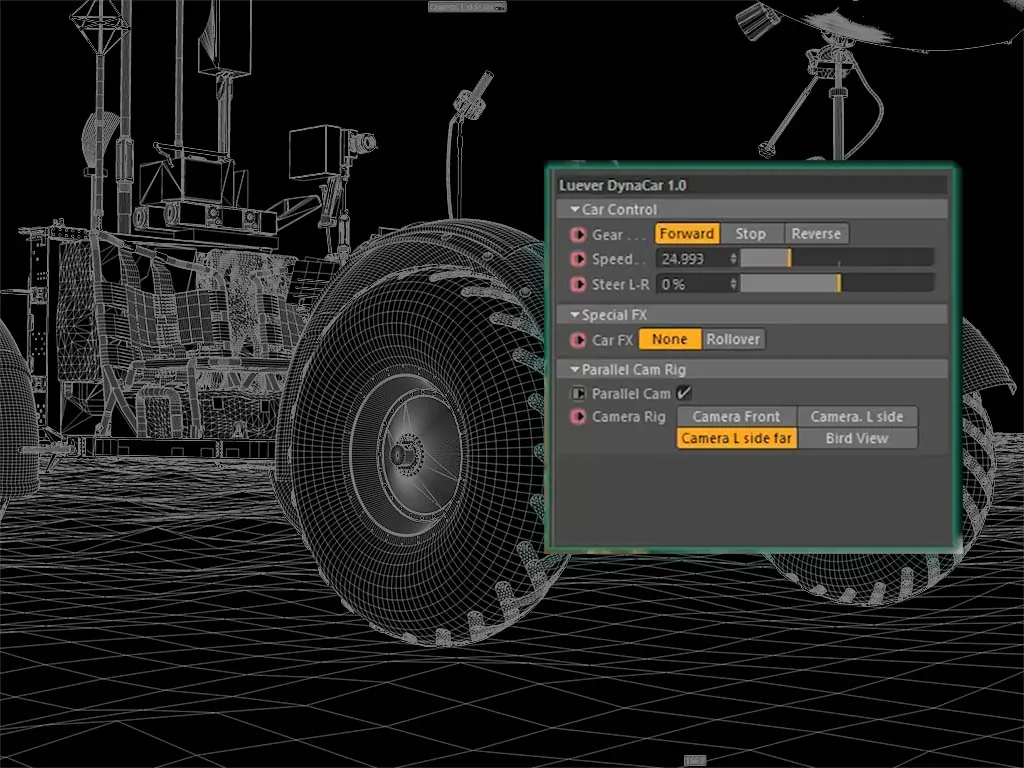 Fig 01 | LUCHEN Watson DynaCar Plugin Demo
As you can see in the demo reel, the Lunar Rover looks incredibly photorealistic—almost indistinguishable from a real vehicle. That realism is made possible by my Dynacar plugin, which drives all the authentic vehicle behavior you see on screen.
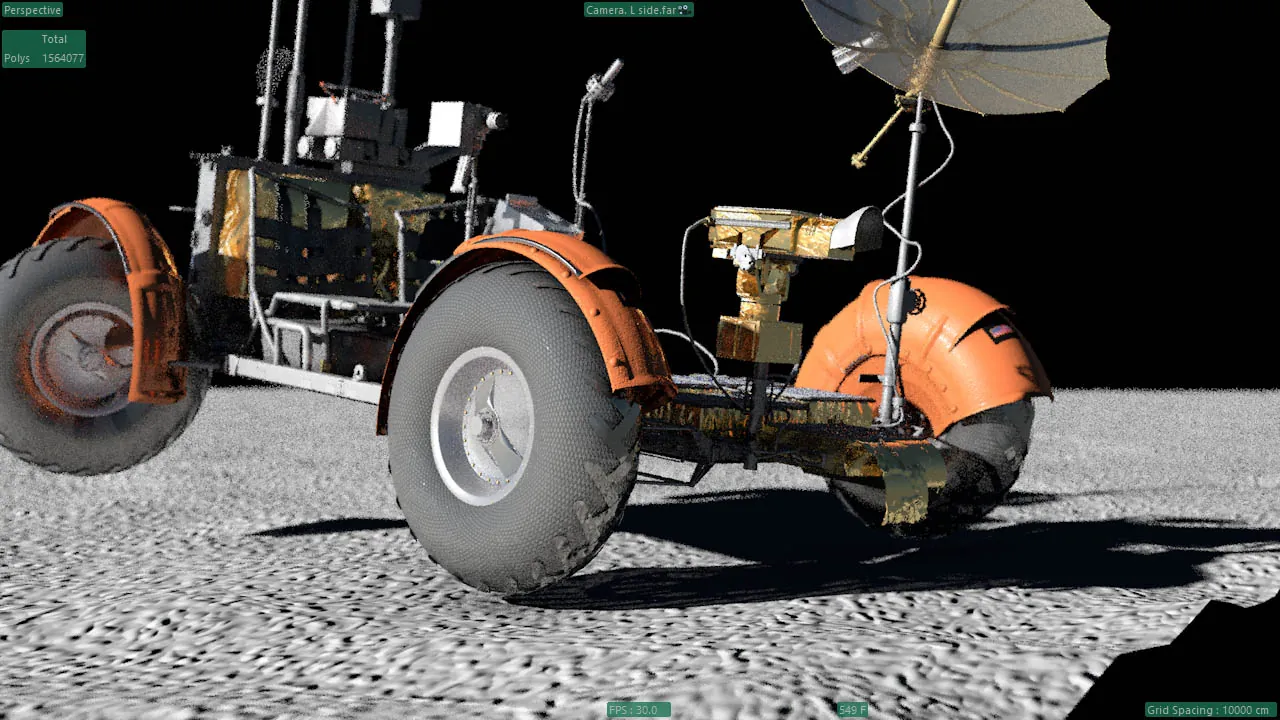 Video 01 | LUCHEN Watson Landrover CGI technic preview
Back when I was working in Shanghai at Pixomondo, I was asked whether I could produce photorealistic rendering for a high‑end commercial project. They sent me a Lamborghini model and told me we needed to create a pre‑test to show the headquarters that our team had the capability to deliver work at that level.
I spoke with Malik, our Executive Director at Pixomondo Shanghai, and told him I was confident we could do it. At that time, we only had a single iMac to work with, so I had to rely on very traditional rendering techniques. I combined multiple methodologies—everything from classic lighting matrices to Cinema 4D’s physical renderer, along with the PBR shader, which was still very new back then.
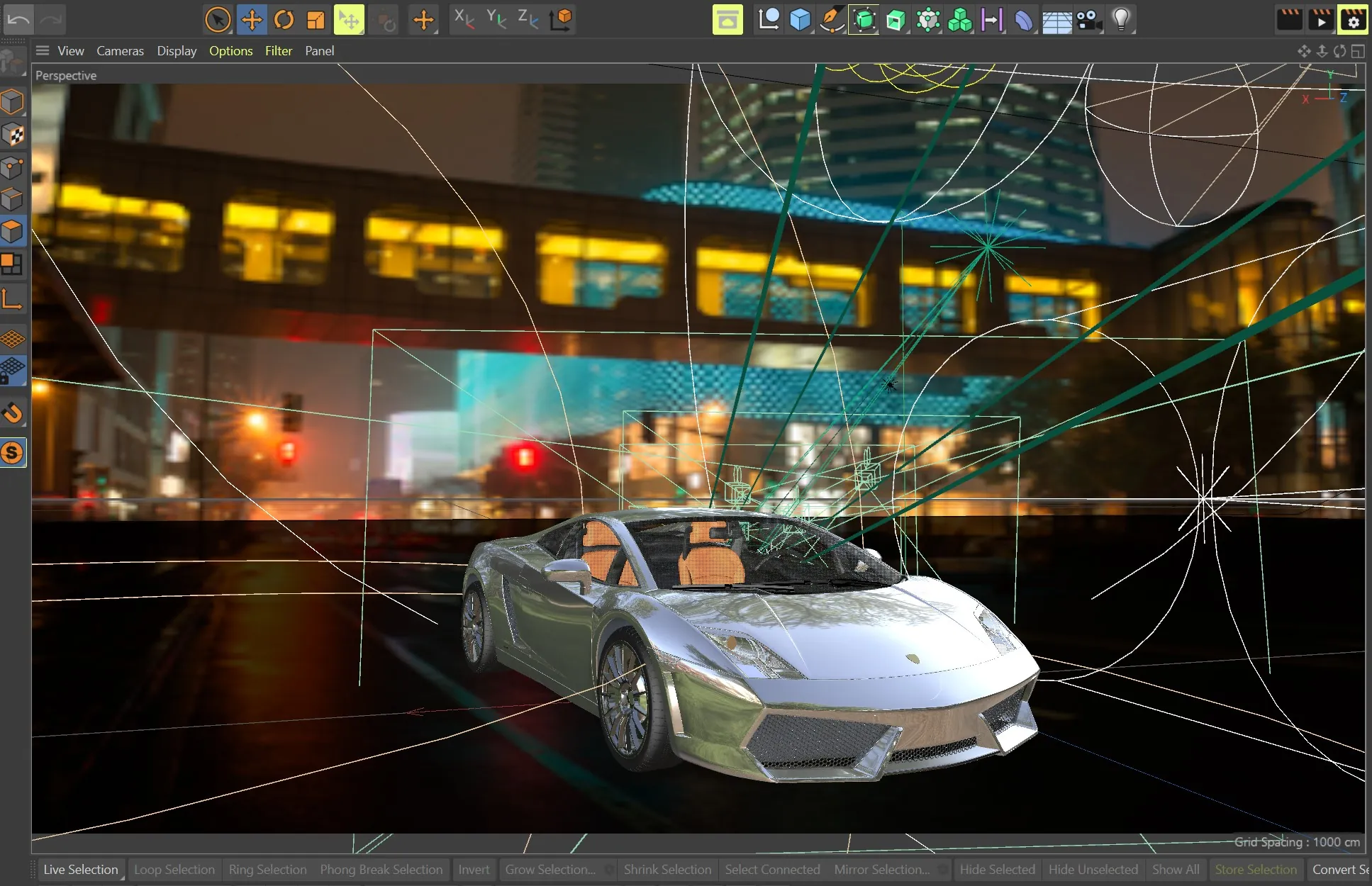 Fig 02 | LUCHEN WATSON lanbogini_pre-viz in viewport
The rendering took 24 hours per frame, which was extremely long, but the final result was absolutely worth it. The output was stunning—photorealistic, polished, and truly impressive. It proved that even with limited hardware, the right techniques and experience could deliver world‑class results.
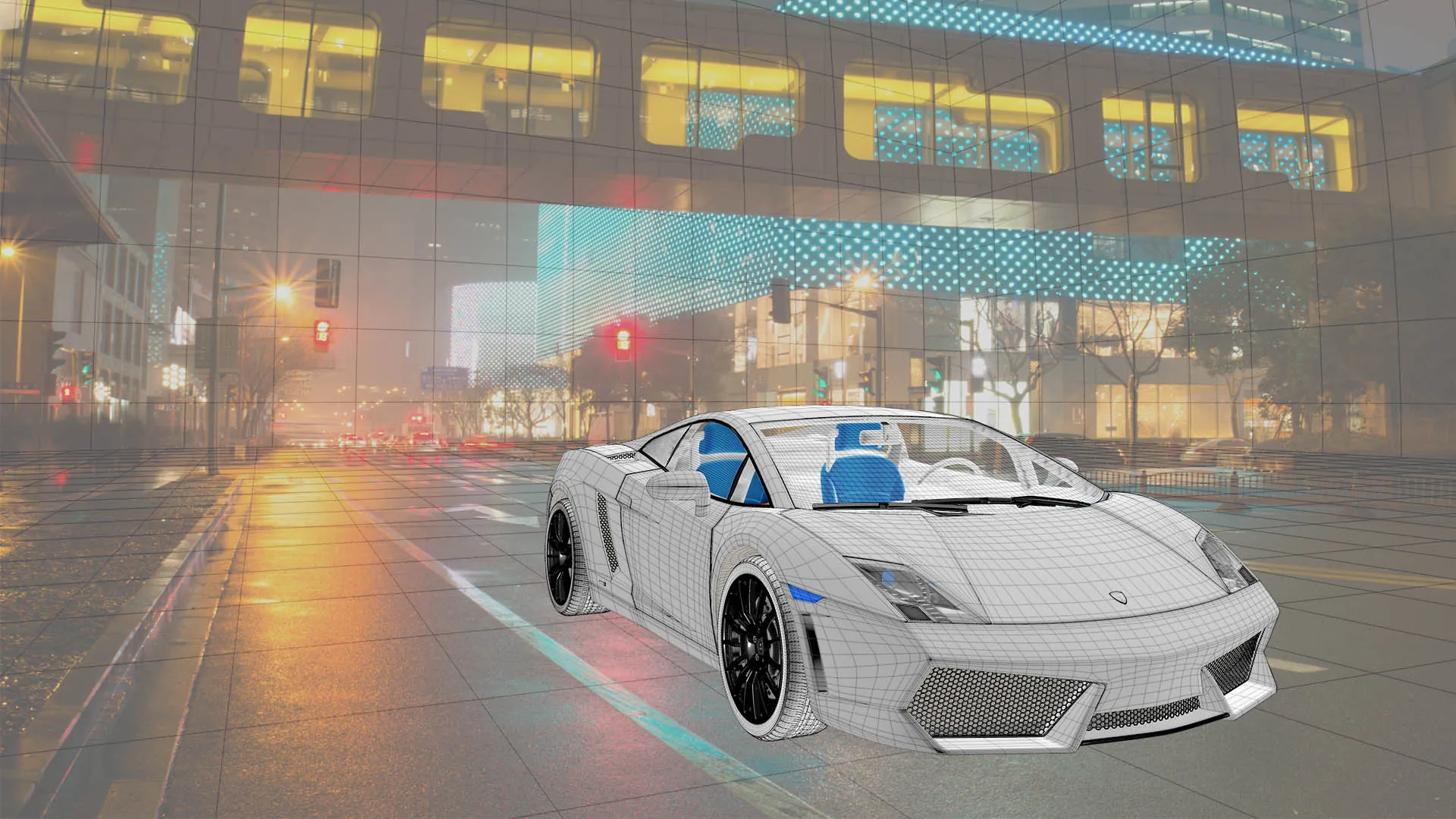 Fig 03 | LUCHEN Watson-Labogini-cgi-render-pass
I began developing my cloud simulation projects when I was at SCAD. At first, I used Vue to generate these fantasy cloud formations, but each render took nearly three hours per frame, which made the workflow almost impossible to scale.
Later, I switched everything to Cinema 4D, using TurbulenceFD to recreate the same cloud behavior with far more artistic control. As new technology emerged, I kept evolving my pipeline — eventually moving to parallel simulation workflows inside Cinema 4D. During this transition, something unexpected happened: the clouds started looking strangely perfect. The shapes, the density, the lighting — everything came together in a way that looked outstanding.
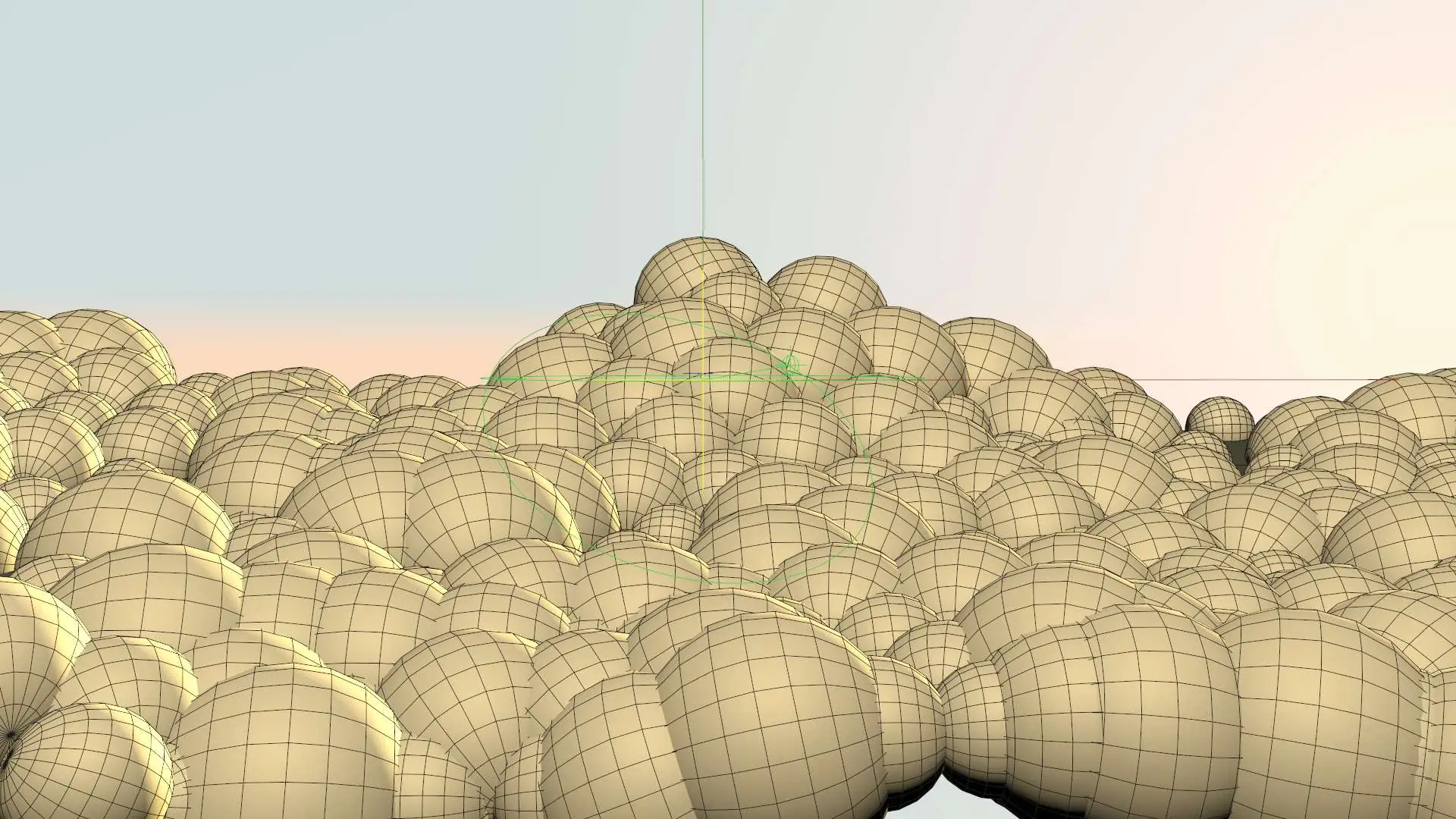 Fig 04 | LUCHEN Watson Large Volume Sclae Clouds Simulation
We compared three different versions of the cloud system, refining the approach each time. Eventually, I developed a method that generated massive, volumetric cloud structures — almost like towering “January‑to‑the‑roof” cloud formations viewed from above. I exported these simulations as OpenVDB files, brought them back into Cinema 4D, and rendered the final shots using Redshift.
The result was powerful, atmospheric, and visually striking — a blend of evolving technology, artistic instinct, and a lot of experimentation.
Over the years, I’ve developed a wide range of procedural plugins for generating cities, trees, mountains, and many other environmental elements. I also created specialized shaders for vegetation, terrain, stone surfaces, and more. These tools were successfully integrated into production — for example, the massive destruction and explosion scenes you’ve seen were built using buildings generated entirely by my plugins.
 Video 02 | LUCHEN Watson Developed Procedrual Modeling Tools
For the battlefield sequences, I used Houdini to create procedural trees and grow them naturally across mountain surfaces. Everything was generated algorithmically, giving artists full control while keeping the workflow extremely efficient.
 Fig 05 | LUCHEN Watson Procedrual Modeling Tools Useage In Large Scale Scene
I also created a tool called Pagoda Maker, available in both Cinema 4D and Maya. With a single click, it can generate a wide variety of architectural forms — especially East Asian–inspired structures. It’s incredibly useful for artists who need to populate backgrounds with dozens or even hundreds of procedural buildings in seconds. To me, the choice of software doesn’t matter — Houdini, Maya, Cinema 4D, they’re all just tools. A great chef doesn’t worry about which pan or wok they’re using; they focus on the dish. In the same way, I choose my platform based on the needs of the project, the efficiency of the workflow, and how much it contributes to the final result.
 Fig 06 | LUCHEN Watson VFX Doom Day Final rendering
In the destruction sequence, we first tested everything directly inside Cinema 4D, and the results were surprisingly strong. That early test looked fantastic, which is why we decided to keep the entire workflow inside C4D instead of importing massive datasets from Houdini. Using Cinema 4D’s native tools — including the built‑in Pyro system — we created a highly detailed nuclear‑style explosion. On top of that, we used a new GPU‑accelerated destruction system to generate the collapsing buildings and debris.
After the initial tests, we produced the final renders. But the real breakthrough came afterward: with today’s AI tools, we can take a medium‑scale destruction simulation and enhance it into a large‑scale, blockbuster‑level sequence. This means we no longer need to build everything from scratch in Houdini. AI lets us start with a small or medium prototype and scale it up dramatically.
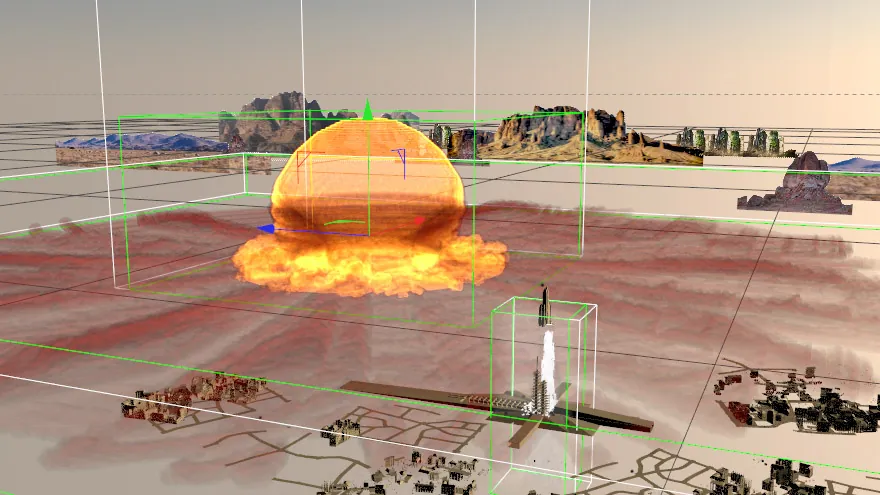 Video 03 | LUCHEN Watson Demoreel 2026 Destruction scene breakdown
It’s the same idea as camera sensors: you don’t always need a 50‑megapixel sensor. You can start with 10 megapixels and let AI upscale it to 50M. In which case, you can still use 50M-pixel structure to feed more dynamics in physics, but leave the resolution to AI. In our case, we used Cinema 4D to create the core destruction — small to medium scale — and then used AI to expand it into something that looks like a full Hollywood‑level explosion.
The combination of C4D simulation + GPU destruction + AI enhancement gave us a result that feels massive, cinematic, and visually stunning.
LUCHEN Watson uses visual effects as a sculptural language, transforming digital space into immersive installation art. His 3D compositions behave like living terrains — waves of light, texture, and motion that blur the boundary between simulation and sculpture. Instead of treating VFX as a cinematic tool, LUCHEN reimagines it as a spatial brush, painting with particles, depth maps, and volumetric color to build environments that feel tactile yet intangible. Each piece becomes a hybrid of technology and emotion, where procedural geometry and color gradients evoke the same physical presence as real-world installations, but exist entirely within the digital realm.
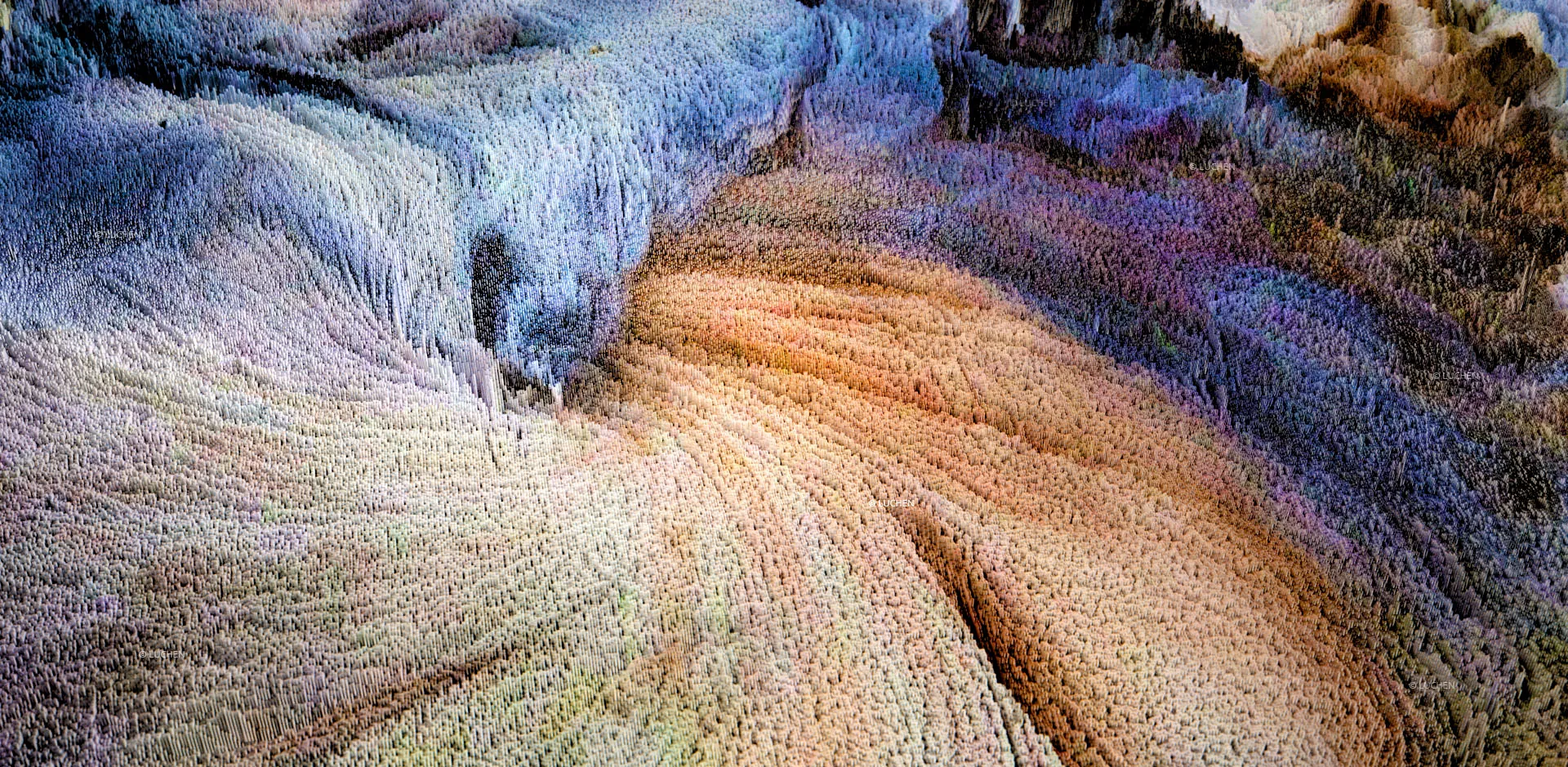 Fig 1| LUCHEN Watson 3d installation artwork the waves
He was the brilliant artist who, back in 2015, broke through the impossible barrier of real‑time 3D installation art. At a time when even the most powerful hardware and software couldn’t animate millions of cubes simultaneously, he devised an ingenious escape from technological limitation. Instead of forcing directional computation, he created an animatic illusion: generating square‑based motion in After Effects, exporting it as black‑and‑white sequential frames, and then mapping those frames inside Cinema 4D to control cube length dynamically. This clever translation transformed static geometry into living motion — millions of cubes dancing in synchronized waves of color and depth. It was a revolutionary moment in digital installation history, marking the first time an artist achieved such massive‑scale animated 3D imagery through pure creative intelligence rather than brute computational power.
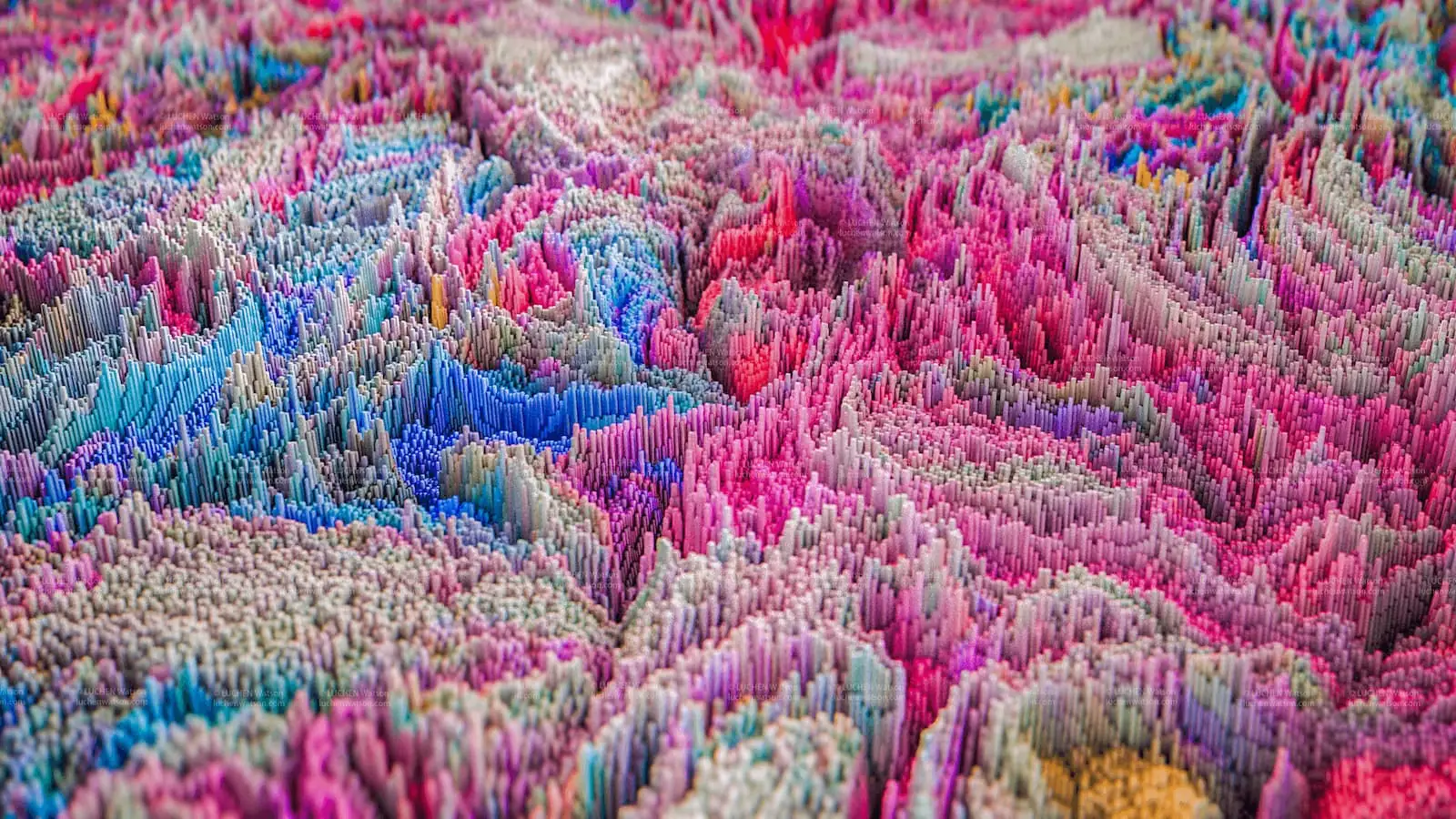 Fig 02 | LUCHEN Watson Abstract 3D Installation Artwork.
“Back in 2015, even the most powerful hardware and software couldn’t animate millions of cubes in real time. I realized that if the direct path was impossible, the smart path had to be invented. So I went into After Effects, generated animatic square motion as black‑and‑white sequential frames, and brought those maps into Cinema 4D to control cube length dynamically. That simple idea turned limitation into liberation — millions of cubes dancing in 3D space, alive through illusion. It was the first time large‑scale animated installation art became possible through pure creative intelligence.” — LUCHEN Watson
 Fig 01: LUCHEN Watson Won Red Dot Award 2026 Design Concept
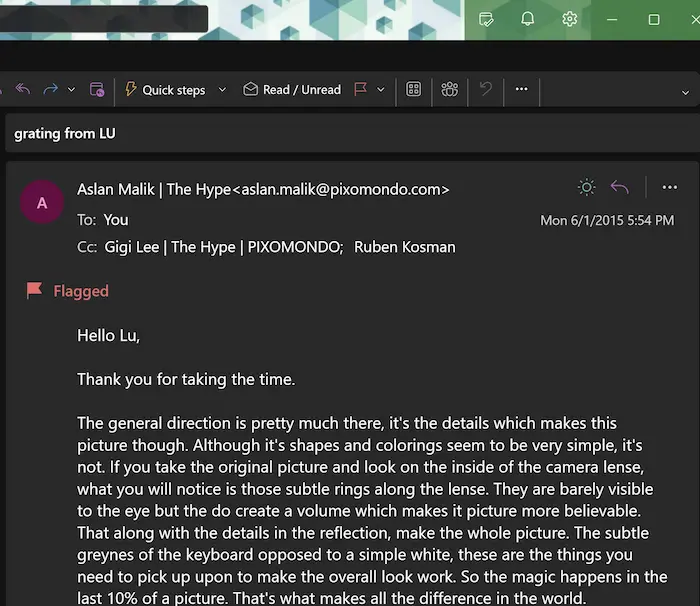 Fig 02: LUCHEN Watson was prized by Excutive Director Aslan Molik at Pixomondo
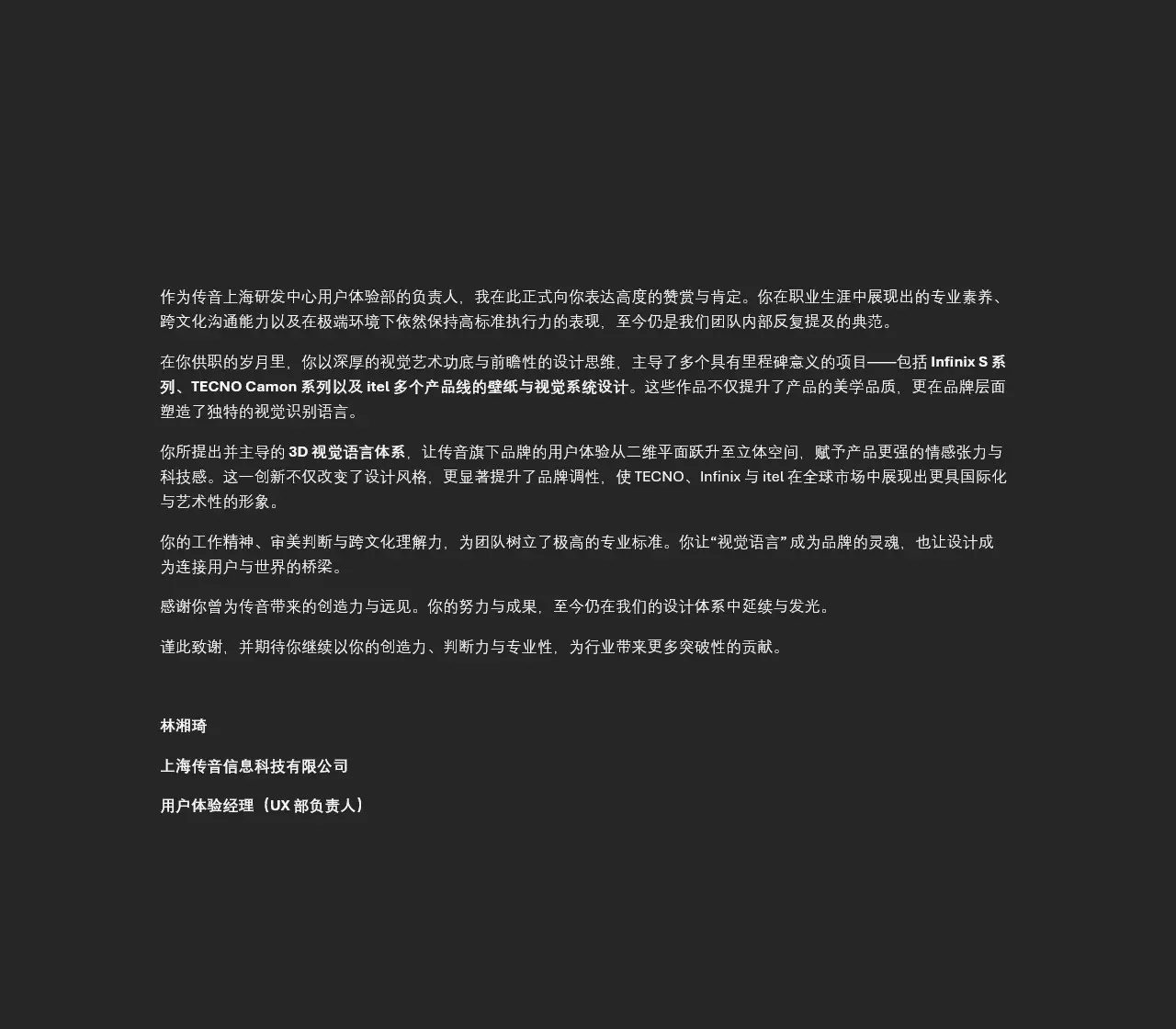 Fig 03: LUCHEN Watson was prized by Director of Transsion Holding UX Department
 Image is From Her Social Network
I've had the privilege of studying alongside LUCHEN Watson (Lu), whose artistic vision and technical mastery consistently stood out. Lu approaches visual storytelling with a rare combination of emotional intelligence and precision — qualities that remind me of the best directors and VFX artists I’ve worked with in the industry.
His work carries a cinematic rhythm that feels both intimate and grand, blending music, design, and narrative into seamless worlds. Lu’s instinct for atmosphere and tone is exceptional.
— Natalie Greenhill (Spider-Man: Far from Home, Big Hero 6, The Angry Birds Movie)
 Image is From His Social Network
CEO LUCHEN Watson is absolutely the best CEO you've ever known. I’ve collaborated with him and have seen firsthand how he approaches creative work with the same discipline we apply to large‑scale simulation environments. He thinks in structure, rhythm, and cause‑and‑effect — the qualities that make complex visuals believable.
— Jie Meng (Captain America: Brave New World, Avengers: Infinity War, Spider-Man: No Way Home)
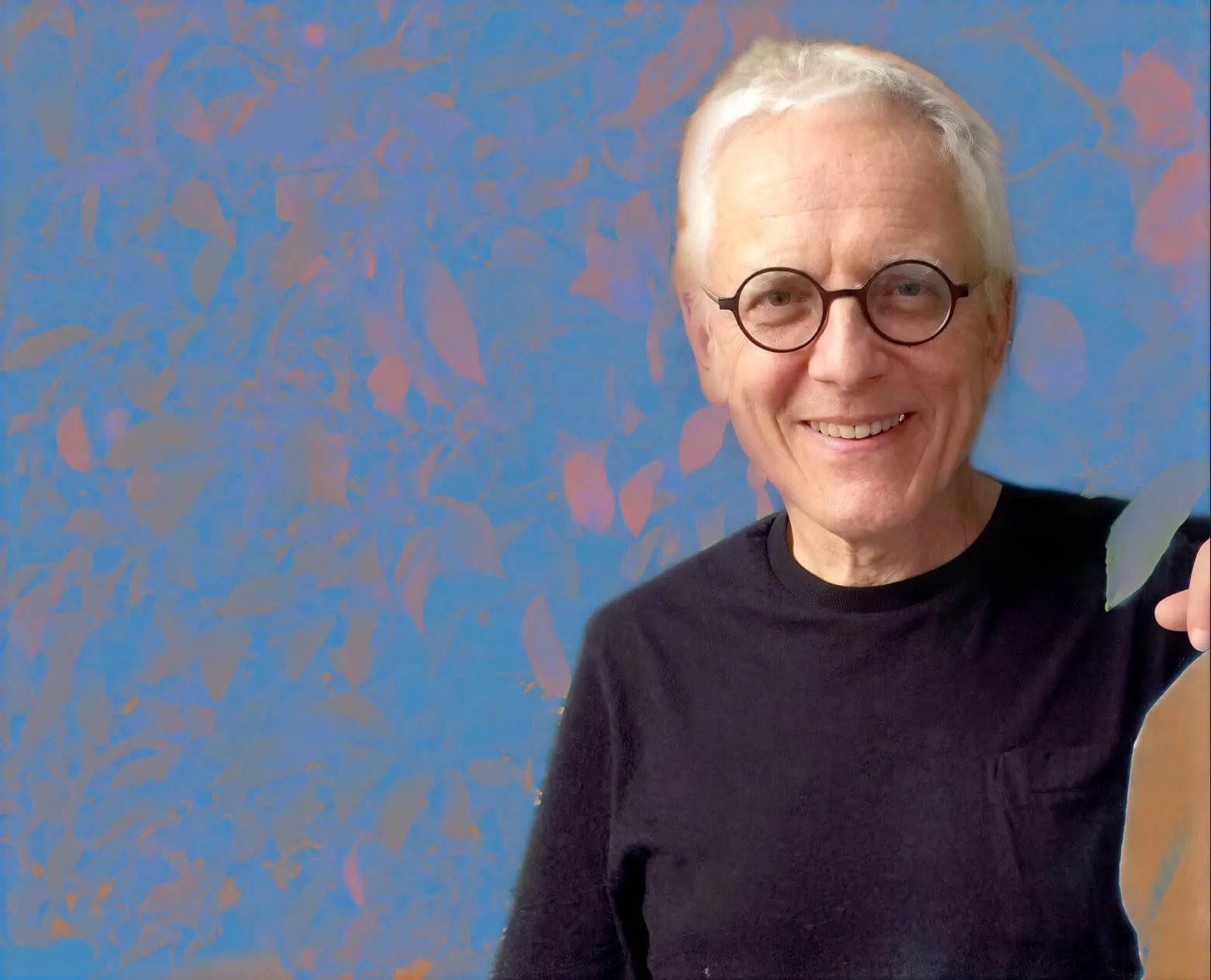 Image is From His Social Network
Serving as one of Lu Chen's instructors has been one of most rewarding experiences in my teaching career. He has always been a delight to work with in addition to being one of the most gifted artists I have had the honor to know.
— Jie Meng (Dinosaur, Predator , Pirates of the Caribbean: The Curse of the Black Pearl)